
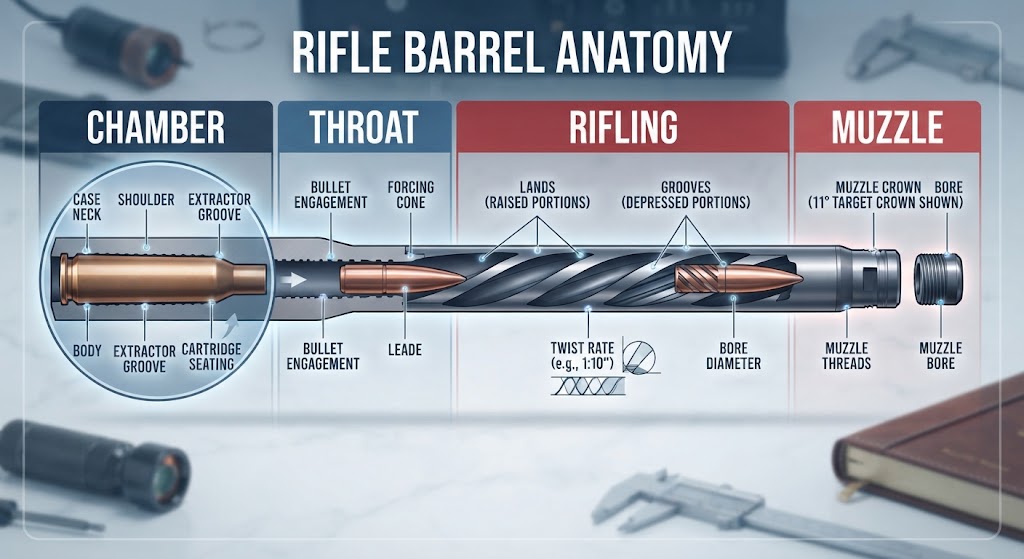
What Is a Barrel Chamber? AR-15 Chambers Explained
Posted by Gorilla Machining on 9/30/2026 to
Tactical Tips
What Is a Barrel Chamber? When shopping for an AR barrel, you'll see specifications such as: 5.56 NATO .223 Remington .223 Wylde .300 Blackout .308 Winchester 8.6 Blackout We often refer to these as the caliber or chambering of a
(0) Comments
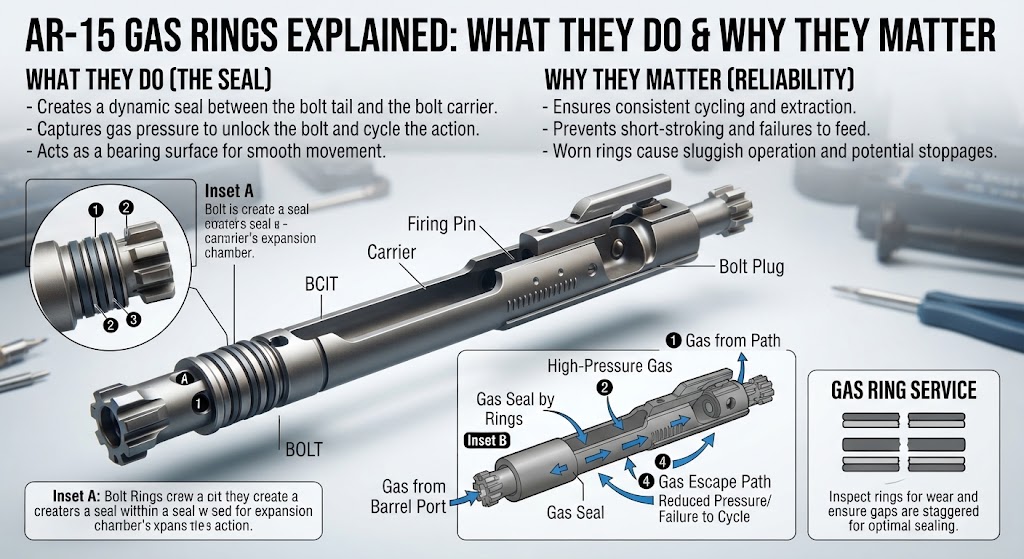
AR-15 Gas Rings Explained: What They Do & Why They Matter
Posted by Gorilla Machining on 9/30/2026 to
Tactical Tips
Why Do AR-15 Bolts Have Gas Rings? Some of the smallest components in an AR-15 perform surprisingly important jobs. A perfect example is the set of gas rings located around the rear portion of the bolt . They're easy to overlook. They're
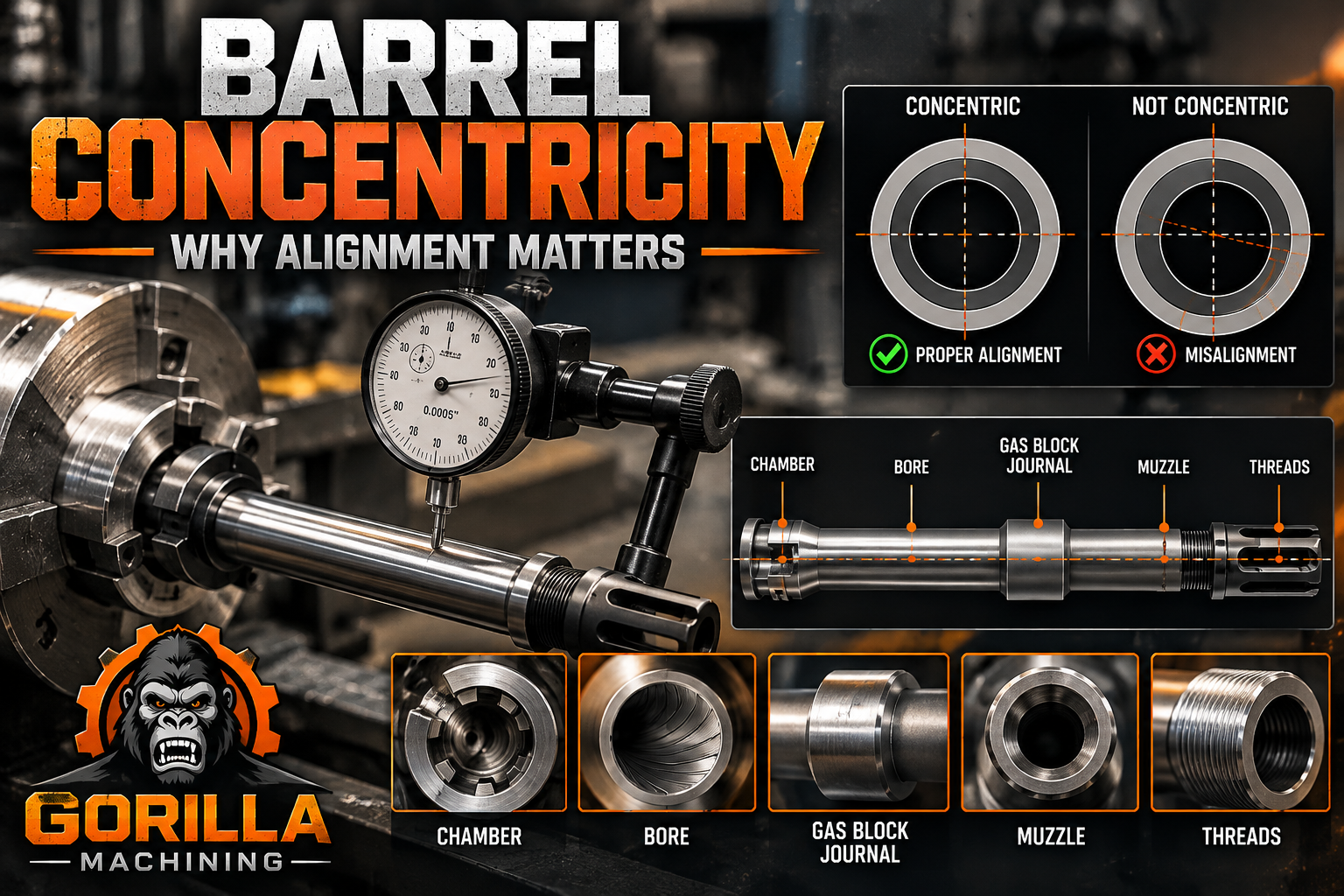
What Is Barrel Concentricity? Why Precision Alignment Matters
Posted by Gorilla Machining on 9/30/2026 to
Tactical Tips
Absolutely. Since we just finished AR-10 vs. LR-308 , let's keep moving into topics we haven't already covered. What Is Barrel Concentricity? Why Alignment Matters in Firearm Manufacturing Search Intent People searching for barrel
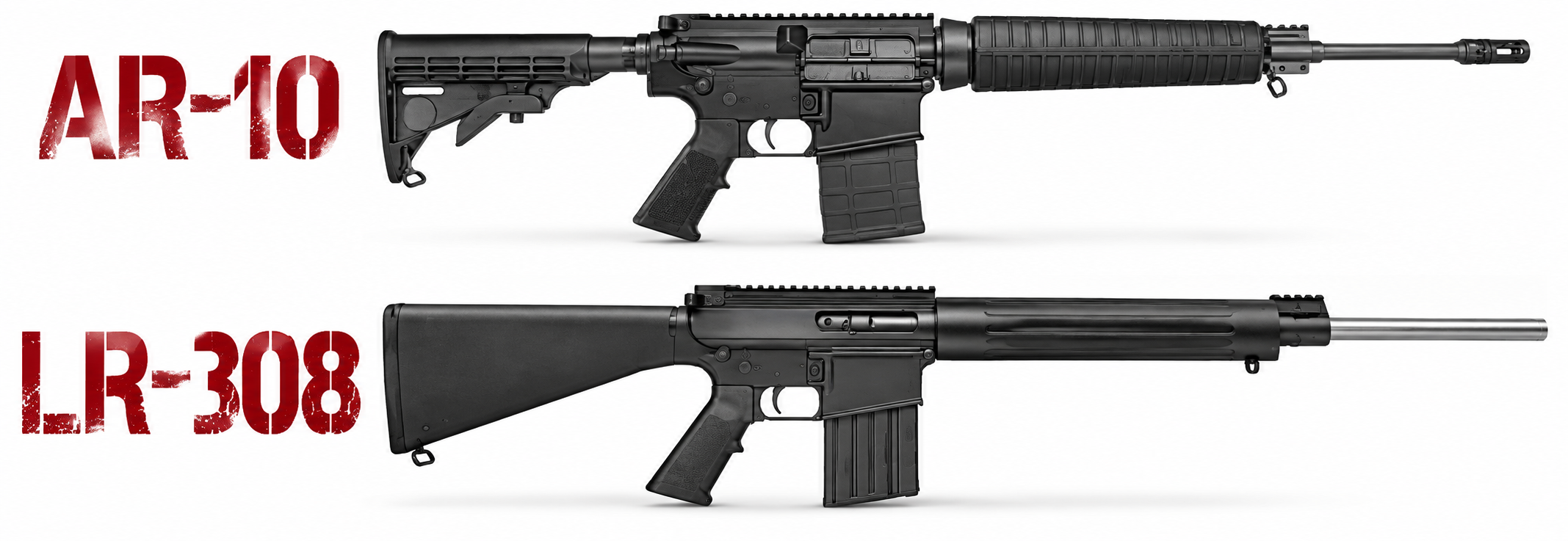
AR-10 vs. LR-308: What's the Difference?
Posted by Gorilla Machining on 9/30/2026 to
Tactical Tips
AR-10 vs. LR-308: Why the Names Cause So Much Confusion If you've ever shopped for parts for a .308 AR-style rifle, you've probably seen several different names: AR-10. LR-308. AR-308. DPMS Pattern. SR-25 Pattern. At first glance, they can
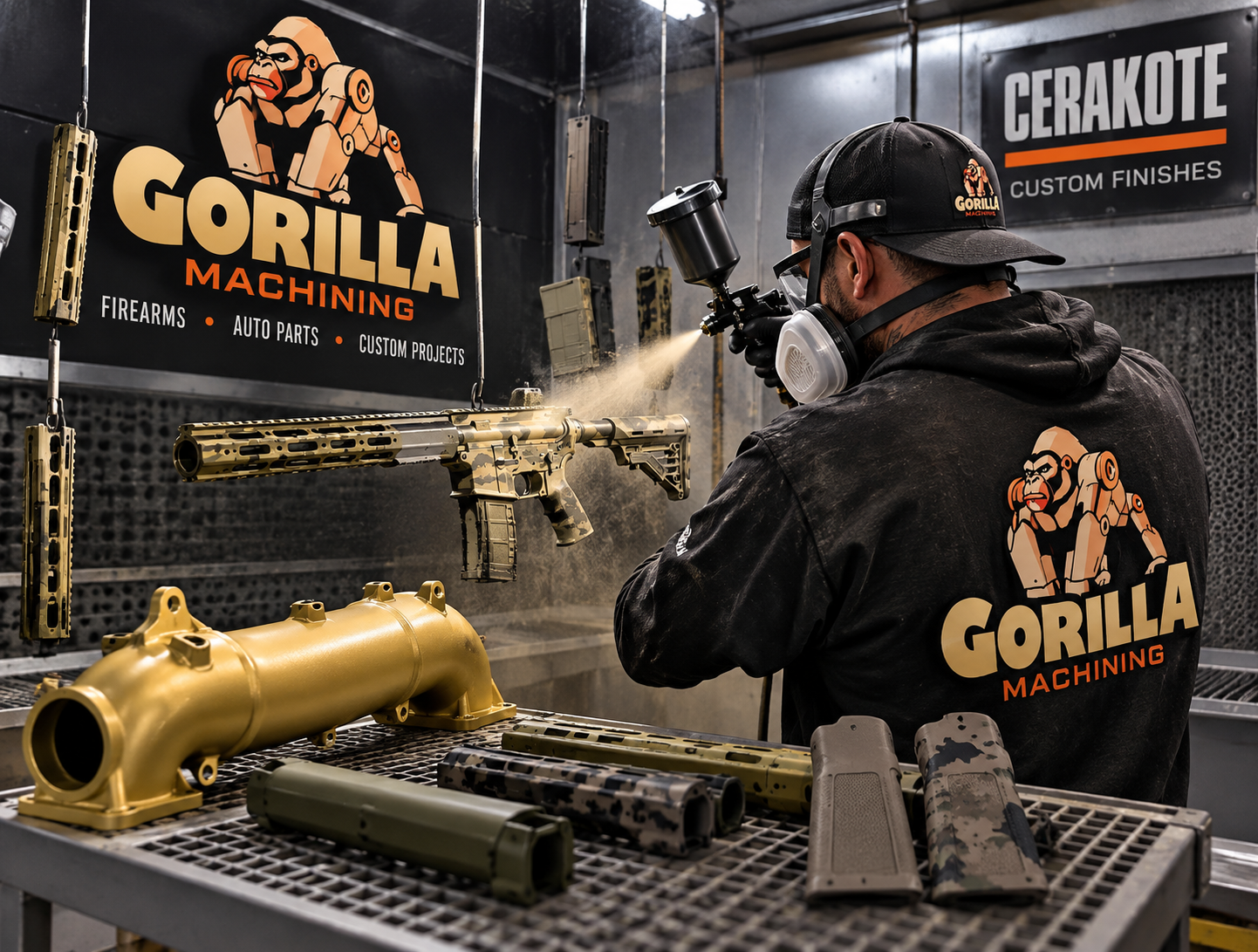
Cerakote Isn't Just for Firearms: Automotive Parts & Custom Projects
Posted by Gorilla Machining on 9/30/2026 to
Tactical Tips
Cerakote Isn’t Just for Firearms When most people hear the word Cerakote , firearms are probably the first thing that comes to mind. Cerakote has become extremely popular for customizing firearm components, with everything from simple
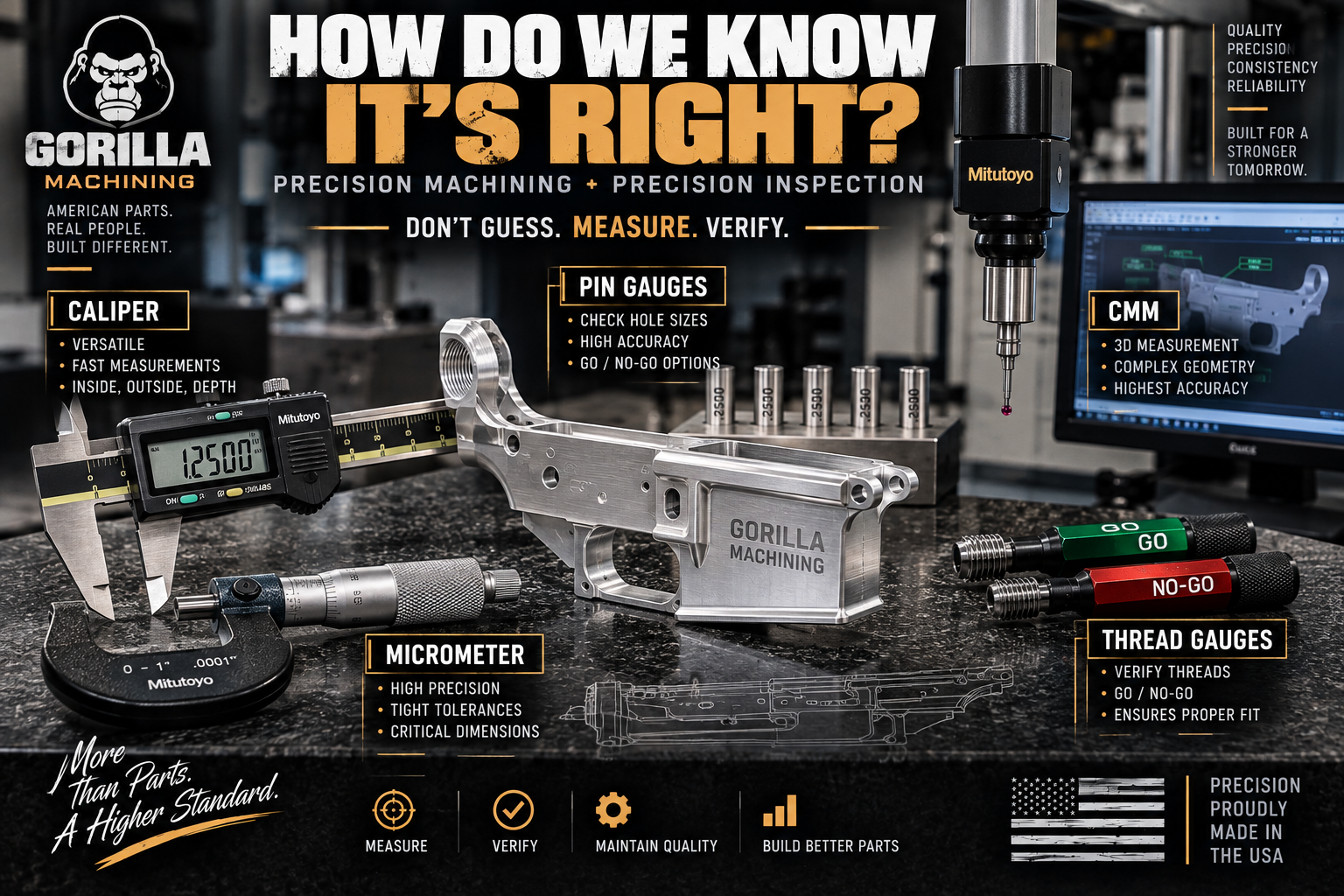
How CNC Parts Are Inspected: Calipers, Micrometers, Gauges & CMMs Explained
Posted by Gorilla Machining on 9/21/2026 to
Tactical Tips
How CNC Parts Are Inspected: Calipers, Micrometers, Gauges & CMMs Explained
A CNC machine can position a cutting tool with incredible precision.
But here's an important manufacturing principle:
Machining a part and proving that the
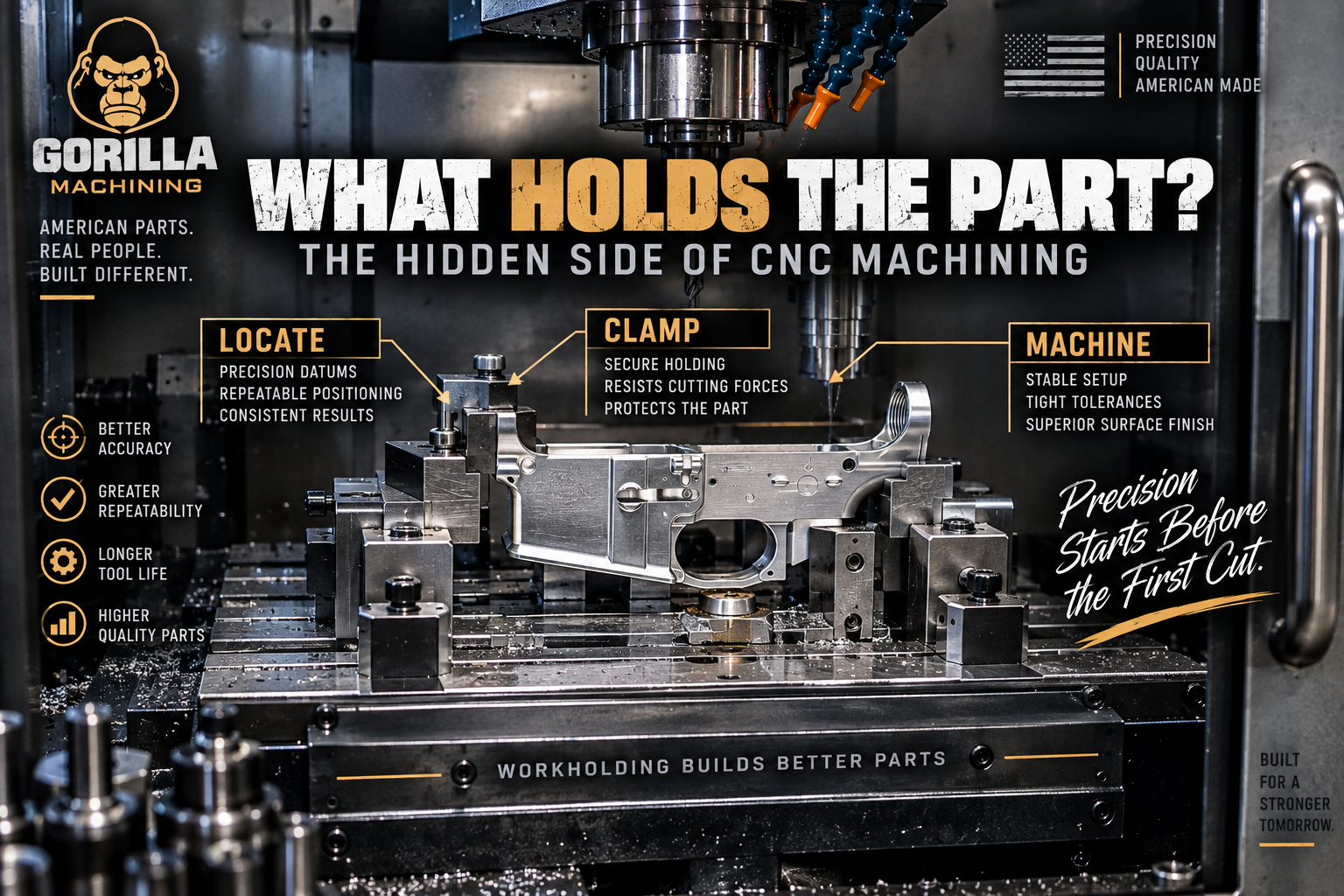
What Is CNC Workholding? How Fixtures Keep AR-15 Parts Precise During Machining
Posted by Gorilla Machining on 9/21/2026 to
Tactical Tips
What Is CNC Workholding? How Fixtures Keep AR-15 Parts Precise During Machining
When people watch a CNC machine cutting aluminum, most of the attention goes to the cutting tool.
The spindle is moving.
Metal chips are flying.
Coolant
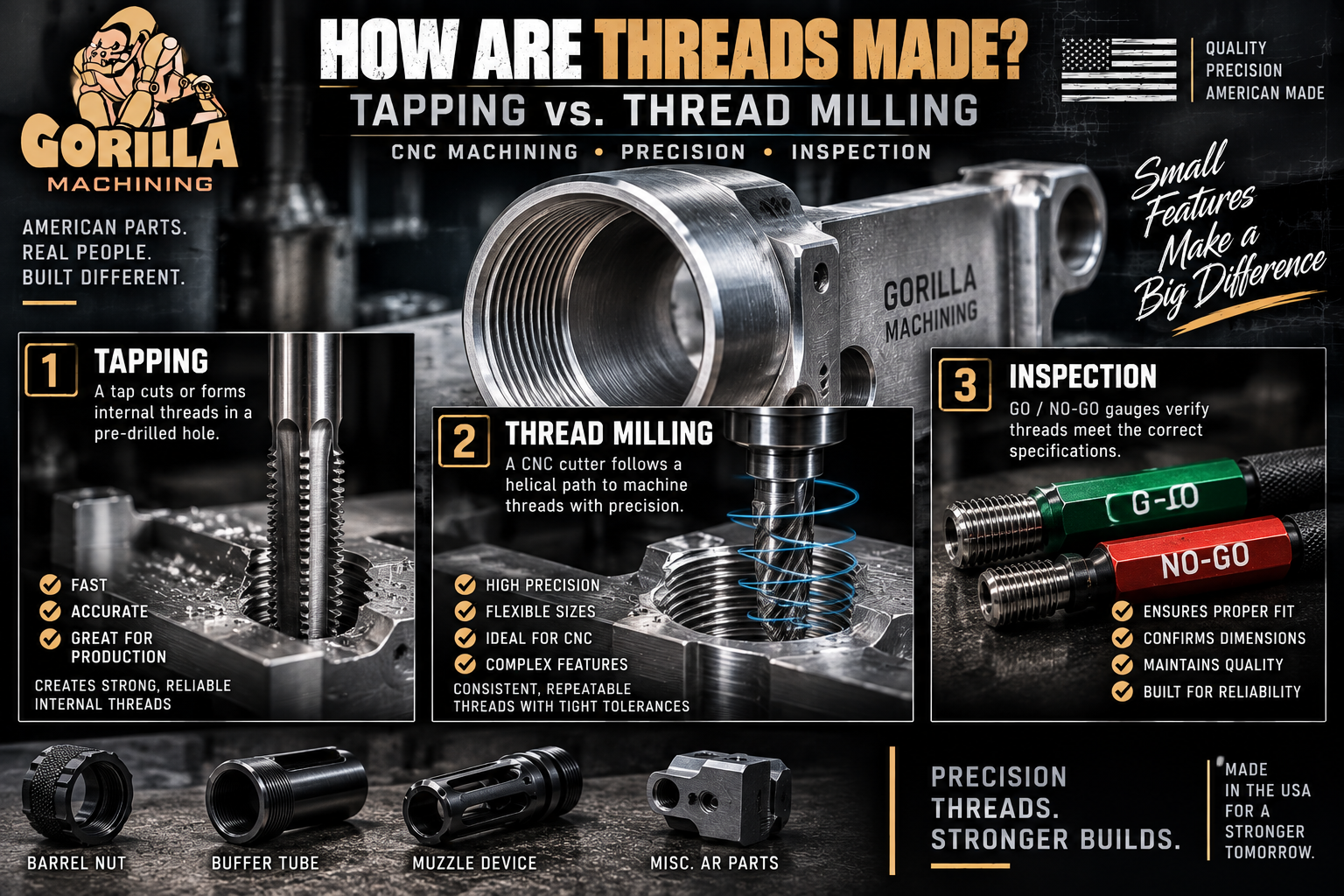
How Threads Are Made on AR-15 Parts: Tapping, Thread Milling & CNC Machining Explained
Posted by Gorilla Machining on 9/21/2026 to
Tactical Tips
How Threads Are Made on AR-15 Parts: Tapping, Thread Milling & CNC Machining Explained
Threads are everywhere in precision manufacturing.
You see them on fasteners, mounts, housings, machinery, automotive components, and countless other
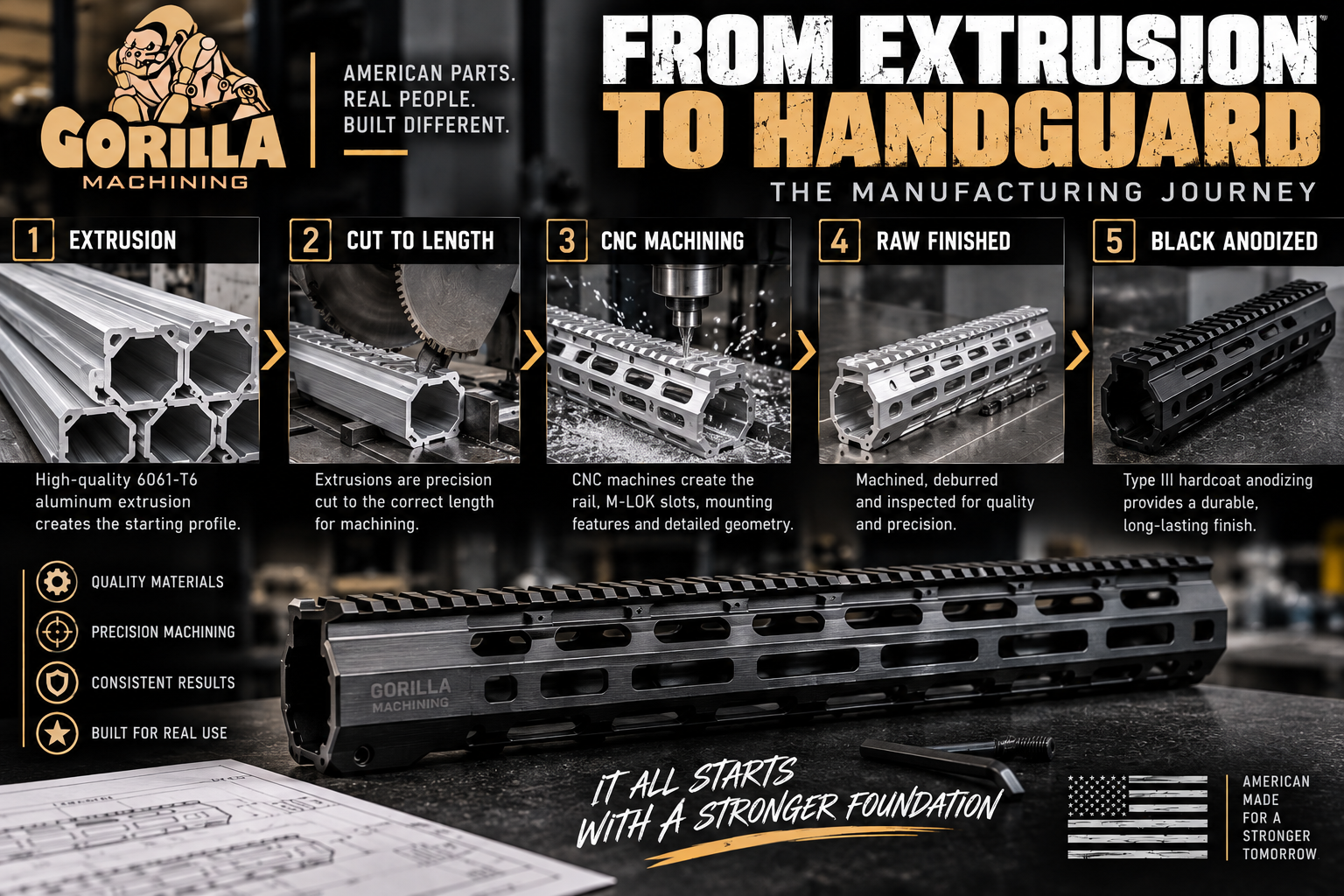
How AR-15 Handguards Are Made: From Aluminum Extrusion to Finished Part
Posted by Gorilla Machining on 9/21/2026 to
Tactical Tips
How AR-15 Handguards Are Made: From Aluminum Extrusion to Finished Part
Pick up a modern aluminum AR-15 handguard and it may look like one complicated piece of metal.
There are ventilation openings, accessory slots, a Picatinny top rail,
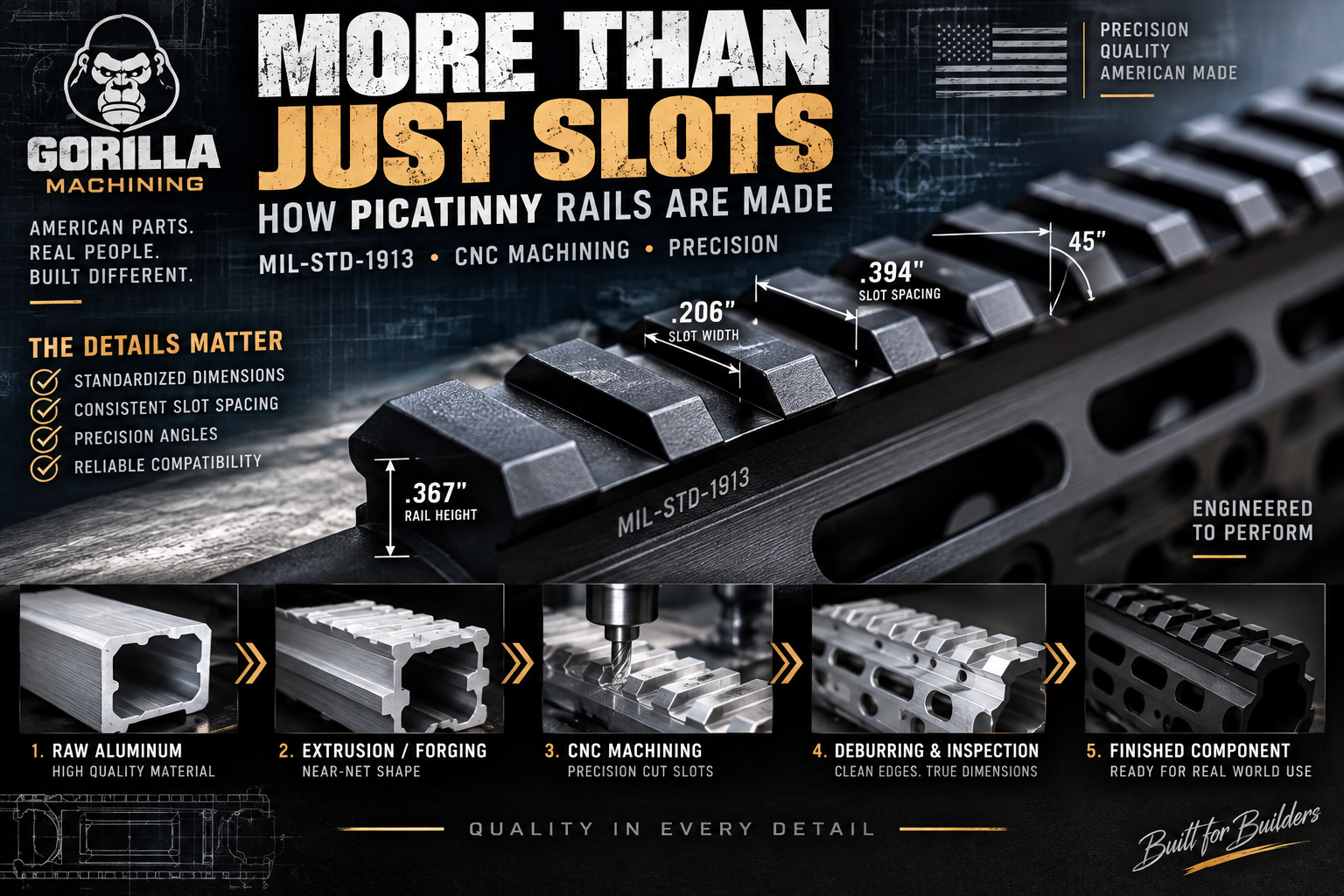
How Picatinny Rails Are Made: Understanding MIL-STD-1913 & Precision Machining
Posted by Gorilla Machining on 9/21/2026 to
Tactical Tips
How Picatinny Rails Are Made: Understanding MIL-STD-1913 & Precision Machining
The Picatinny rail is one of the most recognizable features found on modern firearm components.
You'll see it on:
Upper receivers
Handguards
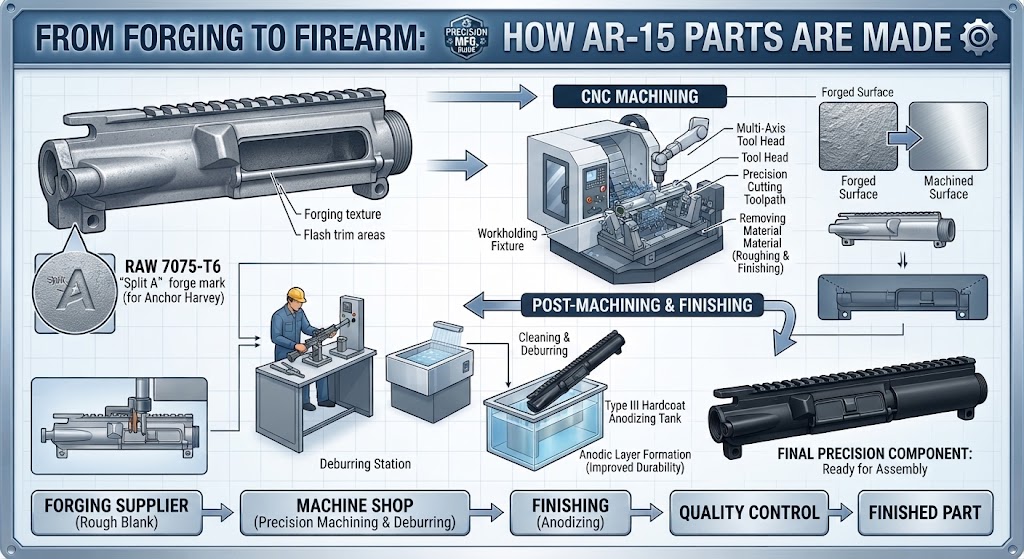
How AR-15 Parts Are Made From Forgings: From Raw Forging to Finished CNC Component
Posted by Gorilla Machining on 9/21/2026 to
Tactical Tips
How AR-15 Parts Are Made From Forgings
When you look at a finished AR-15 upper receiver, it's easy to assume it started as a solid piece of aluminum that was simply placed into a CNC machine.
Many receivers don't begin that way.
They
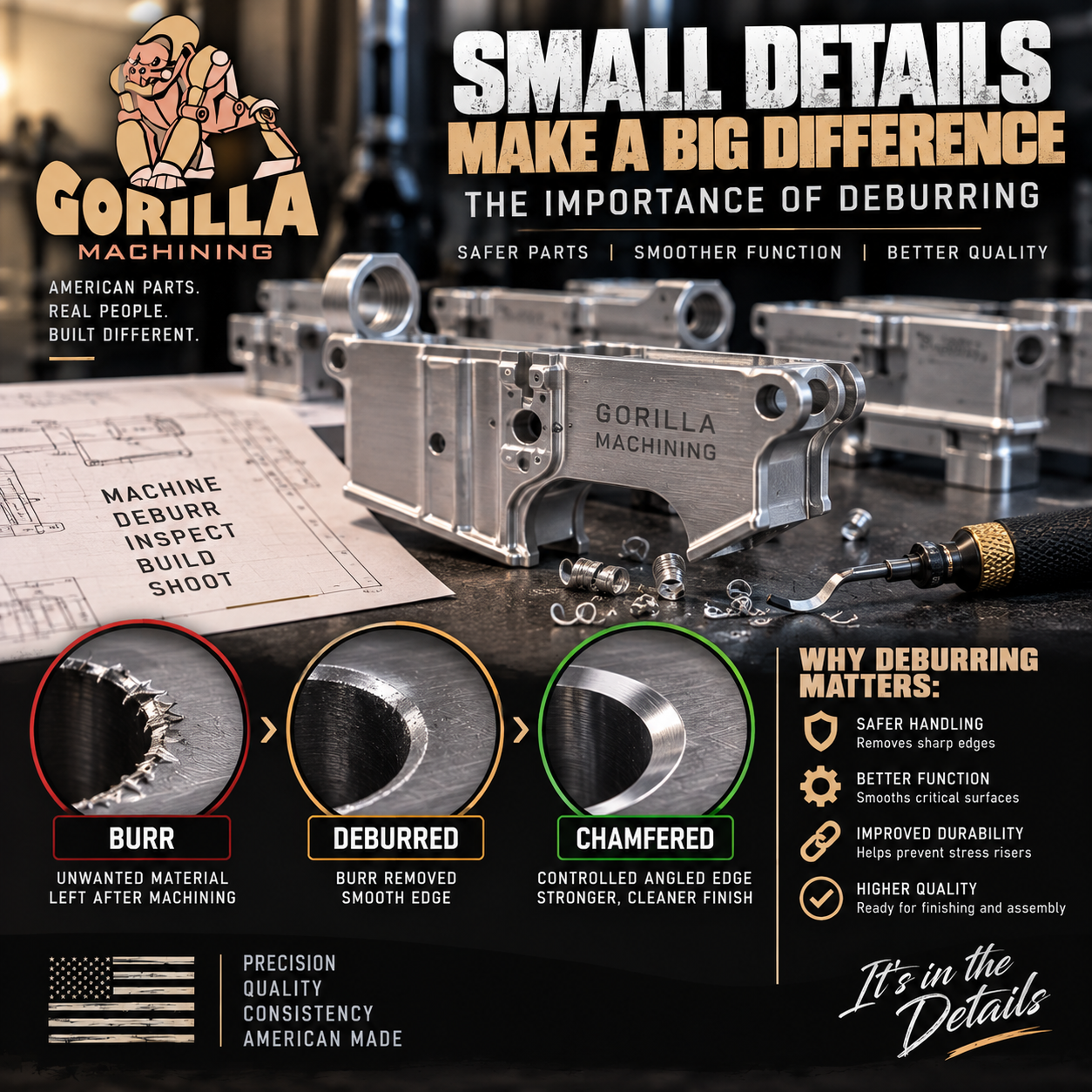
What Is CNC Deburring? Why It Matters on AR-15 Parts
Posted by Gorilla Machining on 9/21/2026 to
Tactical Tips
What Is CNC Deburring? Why It Matters on AR-15 Parts
When people think about CNC machining, they usually picture a cutting tool carving a finished component from aluminum or steel.
But when the CNC machine stops, the manufacturing process
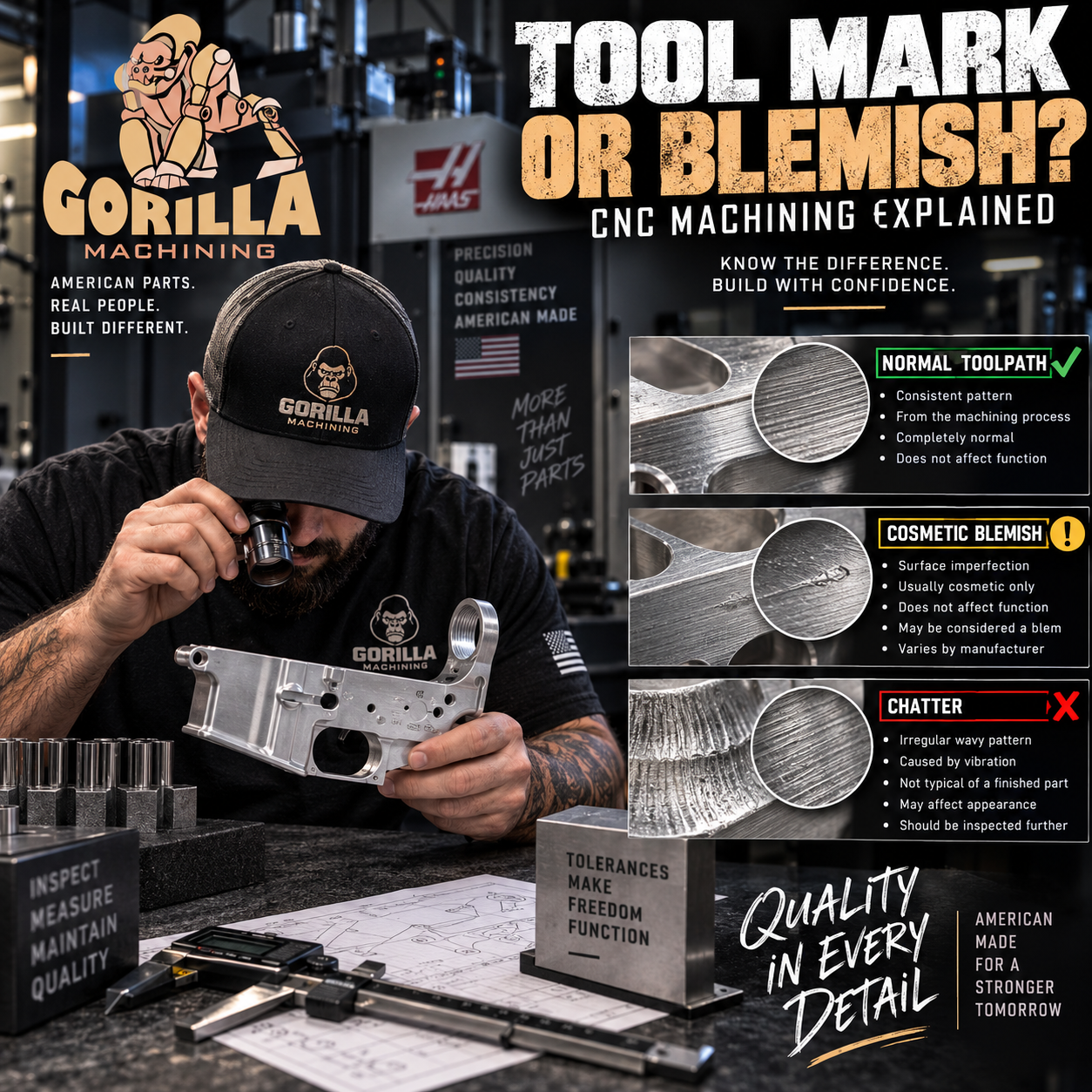
CNC Tool Marks on AR-15 Parts: What's Normal vs. a Blemish?
Posted by Gorilla Machining on 9/21/2026 to
Tactical Tips
CNC Tool Marks on AR-15 Parts: What’s Normal vs. a Blemish?
You open the package containing a new AR-15 component, hold it under the light, and notice something.
There are tiny lines across the aluminum.
Maybe there's a circular pattern
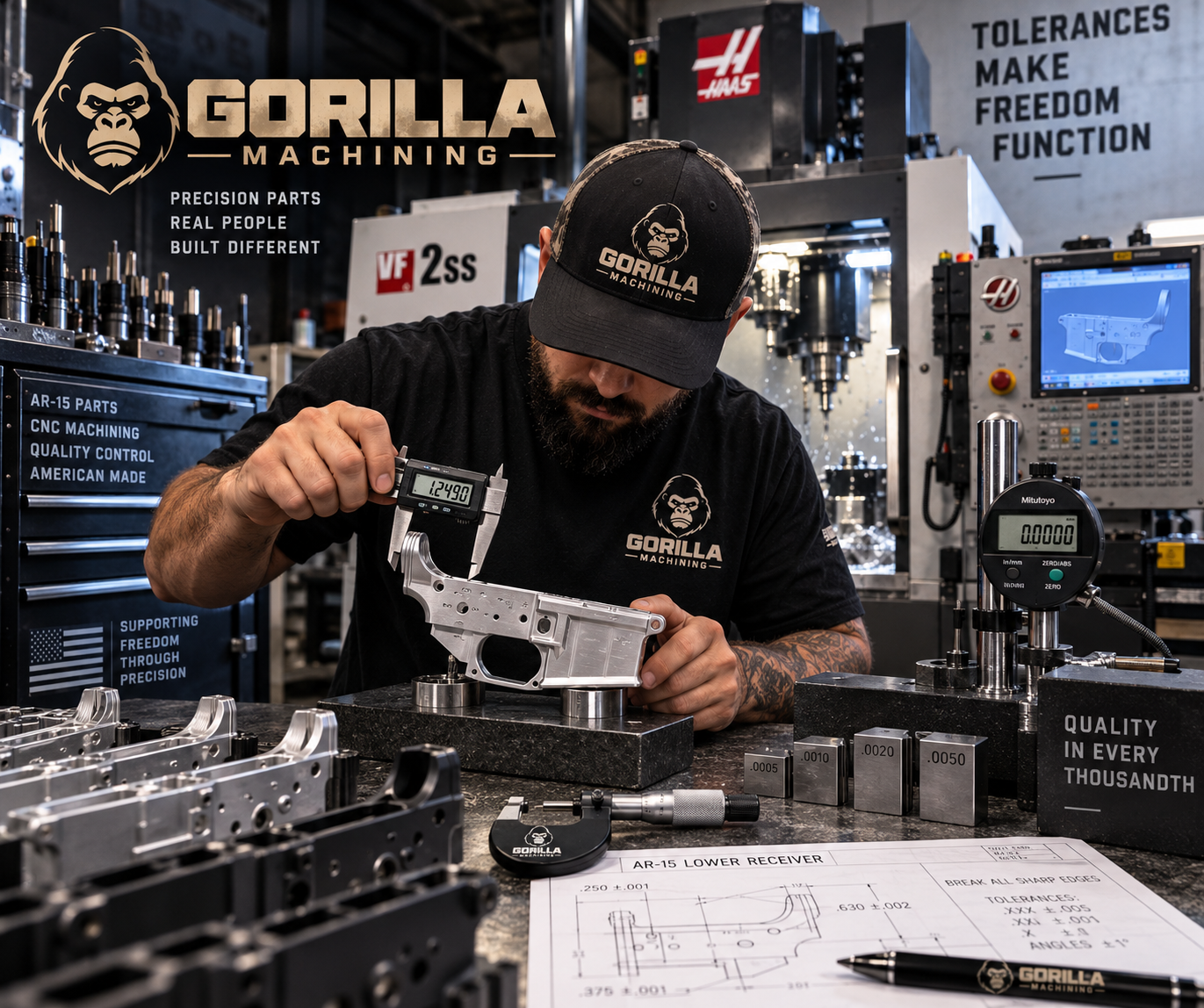
AR-15 Tolerances Explained: Why Thousandths of an Inch Matter
Posted by Gorilla machining on 9/15/2026 to
Tactical Tips
AR-15 Tolerances Explained: Why Thousandths of an Inch Matter
An AR-15 may look like a collection of relatively simple metal components.
But behind those components are engineering drawings filled with dimensions measured to thousandths of
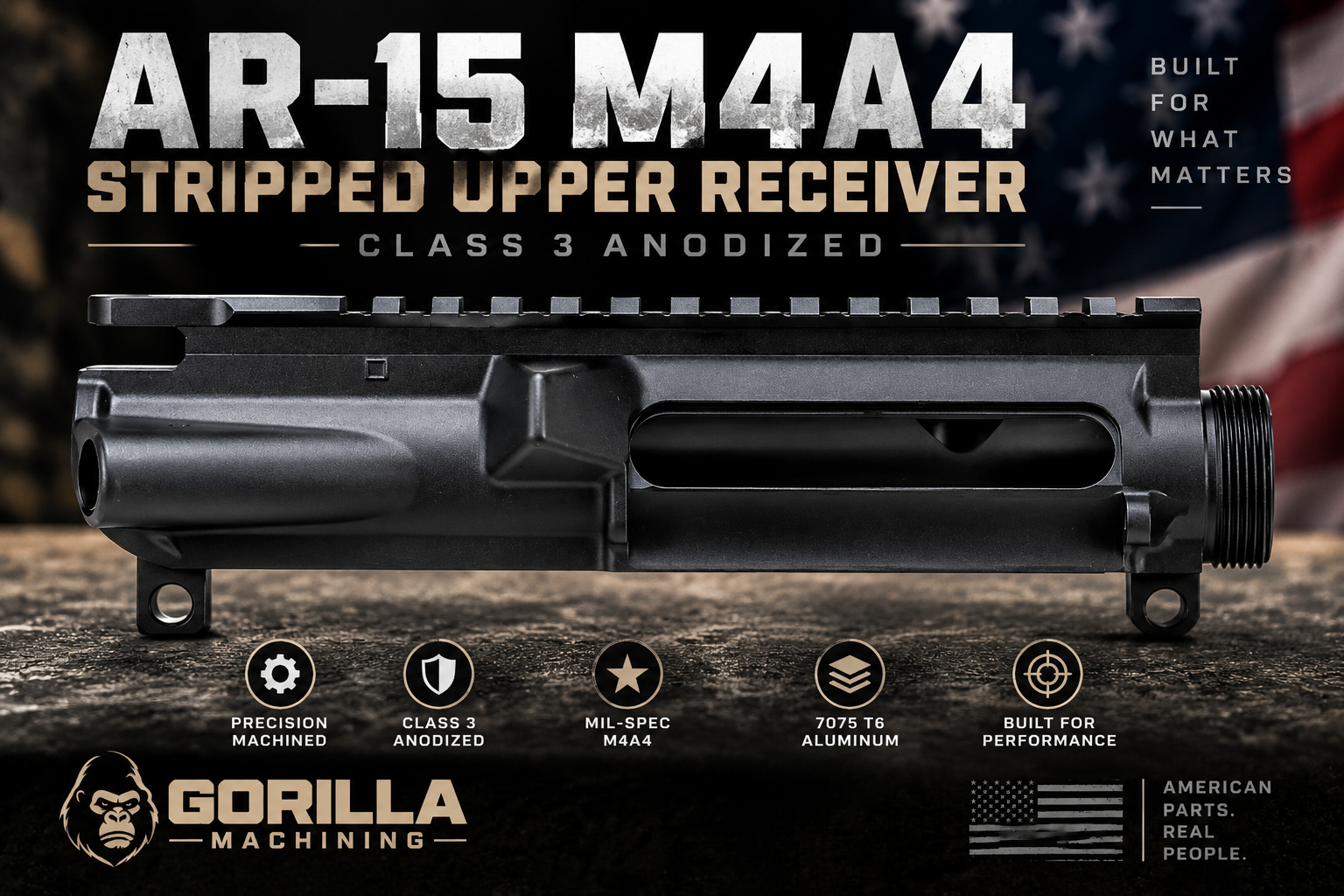
How AR-15 Parts Are Anodized: Type III Hardcoat Anodizing Explained
Posted by Gorilla Machining on 9/15/2026 to
Tactical Tips
How AR-15 Parts Are Anodized: Type III Hardcoat Anodizing Explained
If you've shopped for an AR-15 upper receiver, lower receiver, handguard, charging handle, or other aluminum component, you've probably encountered a specification such as:
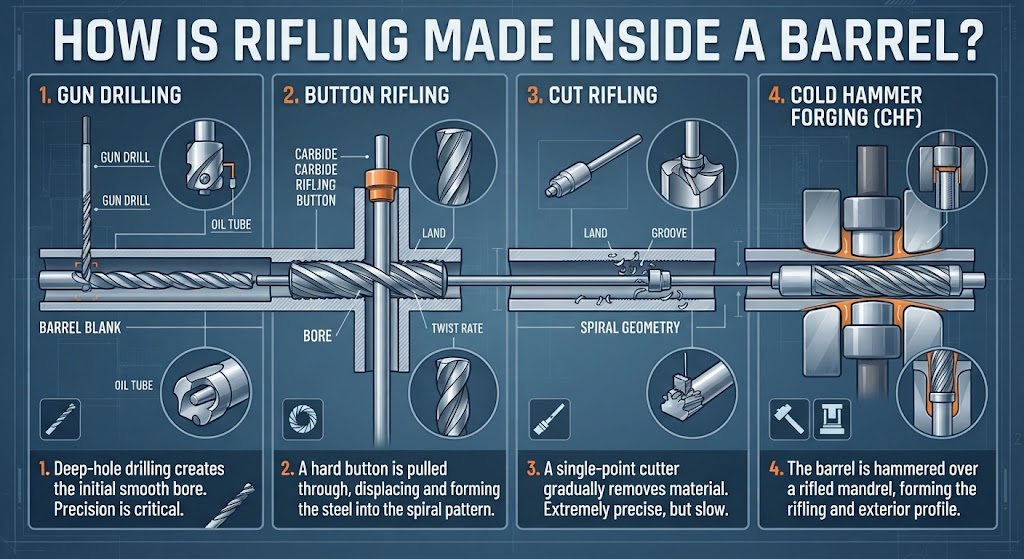
How Is Rifling Made Inside a Barrel? Button Rifling, Cut Rifling & CHF Explained
Posted by Gorilla Machining on 9/15/2026 to
Tactical Tips
How Is Rifling Made Inside a Barrel?
Look through the bore of a firearm barrel and you'll notice spiral-shaped lands and grooves running through it.
Those spirals are called rifling .
Rifling causes a projectile to rotate as it travels
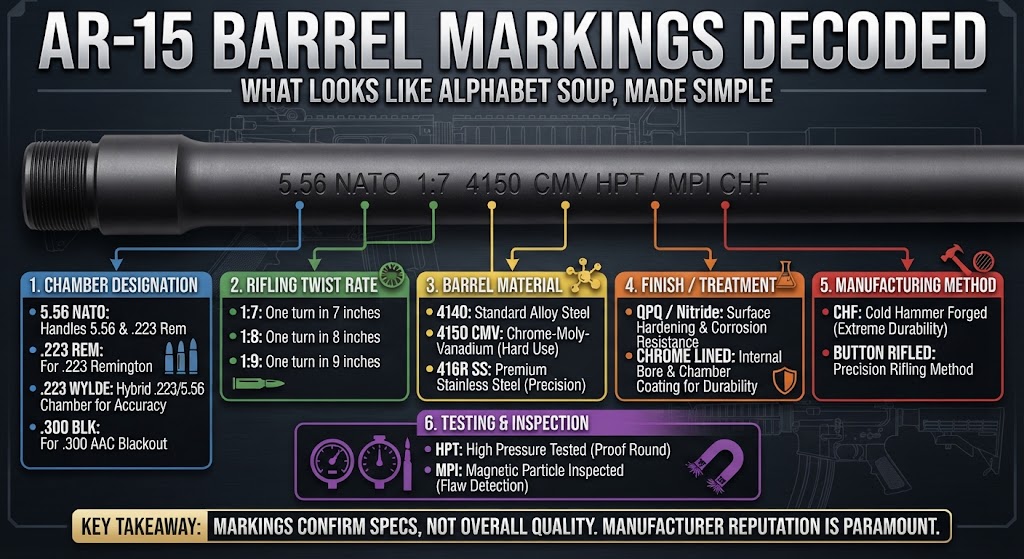
AR-15 Barrel Markings Explained: How to Read What’s Stamped on Your Barre
Posted by Gorilla Machining on 9/15/2026 to
Tactical Tips
AR-15 Barrel Markings Explained
Take a close look at an AR-15 barrel and you may find a short string of letters and numbers that looks something like:
5.56 NATO 1:7 4150 CMV
or:
.223 WYLDE 1:8 SS
Other barrels might include
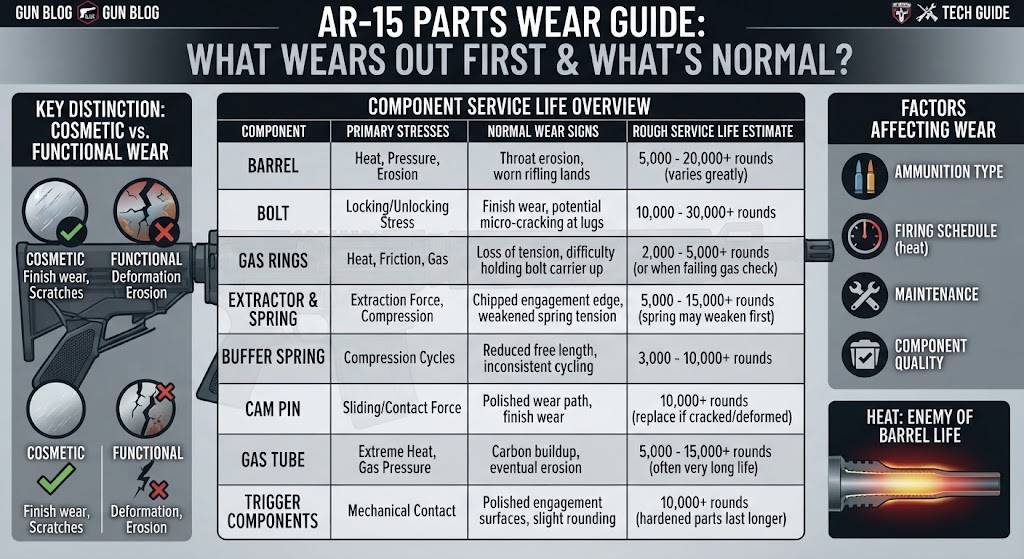
AR-15 Parts Wear Guide: What Wears Out First & What’s Normal?
Posted by Gorilla Machining on 9/15/2026 to
Tactical Tips
AR-15 Parts Wear Guide: What Wears Out First & What’s Normal?
AR-15 components don't last forever.
Every time a firearm is used, components are exposed to some combination of heat, friction, impact, pressure and repeated mechanical
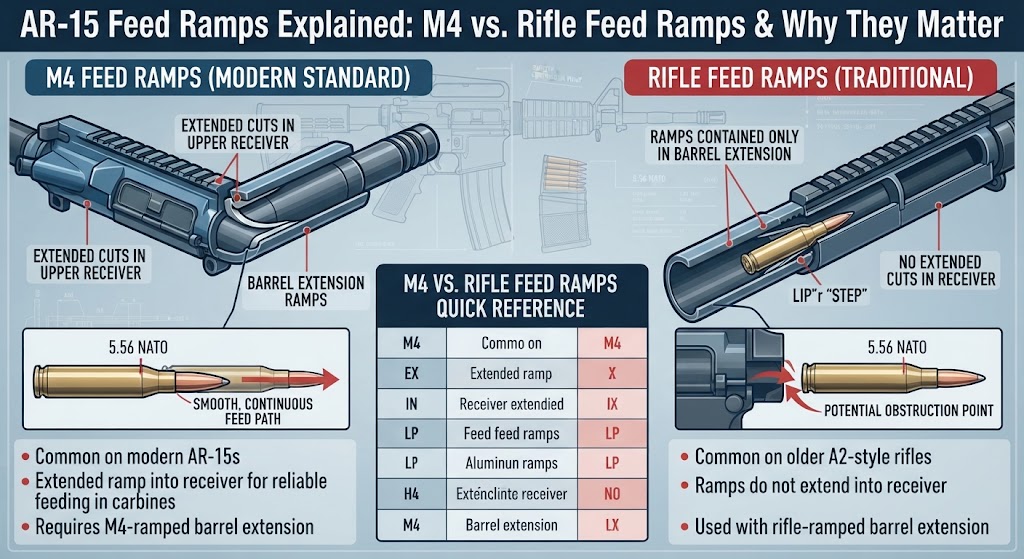
AR-15 Feed Ramps Explained: M4 vs. Rifle Feed Ramps & Why They Matter
Posted by Gorilla Machining on 9/15/2026 to
Tactical Tips
AR-15 Feed Ramps Explained: M4 vs. Rifle Feed Ramps
When shopping for an AR-15 upper receiver or barrel, you've probably encountered this specification:
M4 Feed Ramps
It's frequently listed alongside specifications such as 7075-T6
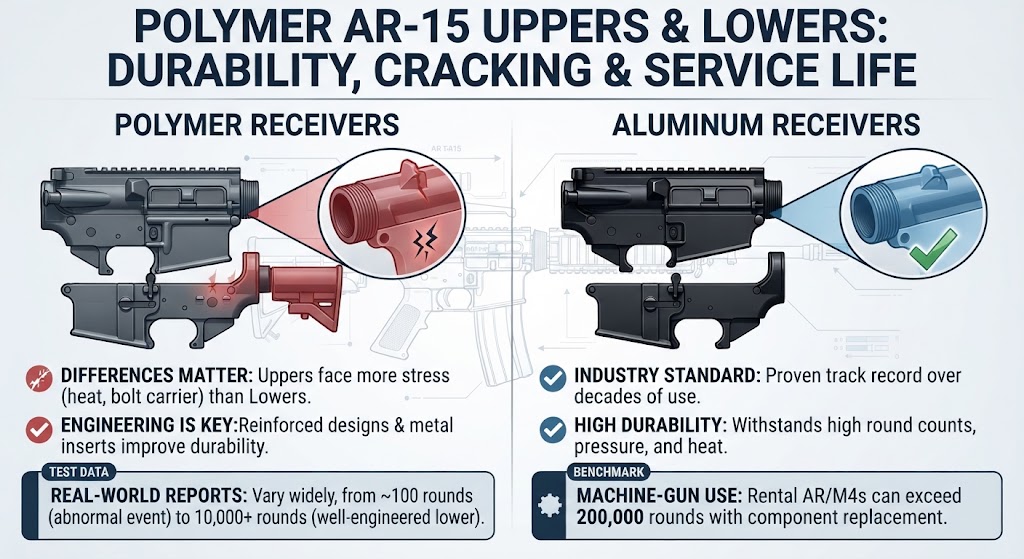
Polymer AR-15 Uppers & Lowers: How Many Rounds Before They Crack?
Posted by Gorilla Machining on 9/15/2026 to
Tactical Tips
Polymer AR-15 Uppers & Lowers: How Durable Are They?
Polymer has become an established firearm material.
Modern handguns demonstrate that a properly engineered polymer component can withstand years of use. But seeing polymer successfully
AR-15 Forge Marks Explained: What Do the Symbols on Your Upper Receiver Mean?
Posted by Gorilla Machining on 9/15/2026 to
Tactical Tips
AR-15 Forge Marks Explained
Search Intent
Primary search intent: Informational
Target audience: AR-15 owners, first-time buyers, builders, collectors, and customers trying to identify the marking on an upper receiver.
What

Carpenter 158 vs. 9310 Steel: What’s the Difference in AR-15 Bolts?
Posted by Gorilla Machining on 9/2/2026 to
Tactical Tips
Carpenter 158 vs. 9310 Steel: What’s the Difference in AR-15 Bolts?
When shopping for an AR-15 bolt carrier group, you may see the bolt listed as:
Carpenter 158
or
9310 steel
Both are alloy steels used in demanding mechanical

What Do MPI and HPT Mean on an AR-15 BCG?
Posted by Gorilla Machining on 9/2/2026 to
Tactical Tips
What Do MPI and HPT Mean on an AR-15 BCG?
When shopping for an AR-15 bolt carrier group (BCG) , product descriptions can quickly become filled with abbreviations:
MPI
HPT
C158
9310
MP Tested
HP Tested
But what

Nitride vs. Phosphate BCGs: What's the Difference?
Posted by Gorilla Machining on 9/2/2026 to
Tactical Tips
Nitride vs. Phosphate BCGs: What’s the Difference?
When shopping for an AR-15 bolt carrier group, one of the first specifications you may notice is the finish .
Two of the most common are:
Nitride
and
Phosphate
Both finishes

7075-T6 vs. 6061-T6 Aluminum: What's the Difference in AR-15 Parts?
Posted by Gorilla Machining on 9/2/2026 to
Tactical Tips
7075-T6 vs. 6061-T6 Aluminum: What’s the Difference in AR-15 Parts?
When shopping for AR-15 components, you've probably seen specifications such as:
7075-T6 aluminum
or
6061-T6 aluminum
Both are widely used aluminum alloys, and

