

CNC Tolerances Explained: Why Thousandths of an Inch Matter
Posted by Gorilla Machining on 10/14/2026 to
Tactical Tips
CNC Tolerances Explained: Why Thousandths of an Inch Matter When you look at two CNC-machined metal parts, they may appear completely identical. Both might have the same shape, smooth surfaces, and precisely machined features. But what if one
(0) Comments

Why CNC Machined Parts Need Deburring: The Importance of Removing Sharp Edges
Posted by Gorilla Machining on 10/14/2026 to
Tactical Tips
Why CNC Machined Parts Need Deburring: The Importance of Removing Sharp Edges When you see a finished CNC-machined component, you probably notice its shape, smooth surfaces, and precise details. But there's an important manufacturing step that

CNC Surface Finish Explained: What Is Ra and Why Does It Matter?
Posted by Gorilla Machining on 10/14/2026 to
Tactical Tips
CNC Surface Finish Explained: What Is Ra and Why Does It Matter? When you look at a precision-machined metal component, one of the first things you may notice is its surface. Some parts have a smooth, almost polished appearance, while others

CNC CHATTER EXPLAINED
Posted by Gorilla Machining on 10/8/2026 to
Tactical Tips
CNC Machine Chatter Explained: What Causes Vibration During Machining? Precision CNC machining depends on more than accurate programming and advanced equipment. One of the biggest challenges machinists face is controlling vibration during the

CNC TOOL WEAR EXPLAINED
Posted by Gorilla Machining on 10/8/2026 to
News
CNC Tool Wear Explained: Why Cutting Tools Matter in Precision Machining Precision machining is about more than having an advanced CNC machine. The condition of the cutting tools plays a major role in producing accurate, consistent, high-quality
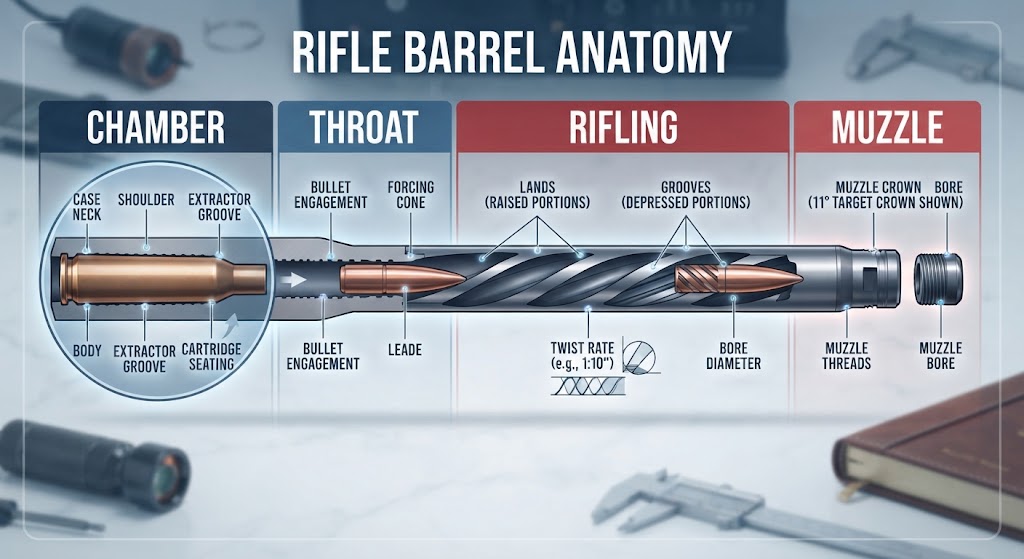
What Is a Barrel Chamber? AR-15 Chambers Explained
Posted by Gorilla Machining on 9/30/2026 to
Tactical Tips
What Is a Barrel Chamber? When shopping for an AR barrel, you'll see specifications such as: 5.56 NATO .223 Remington .223 Wylde .300 Blackout .308 Winchester 8.6 Blackout We often refer to these as the caliber or chambering of a
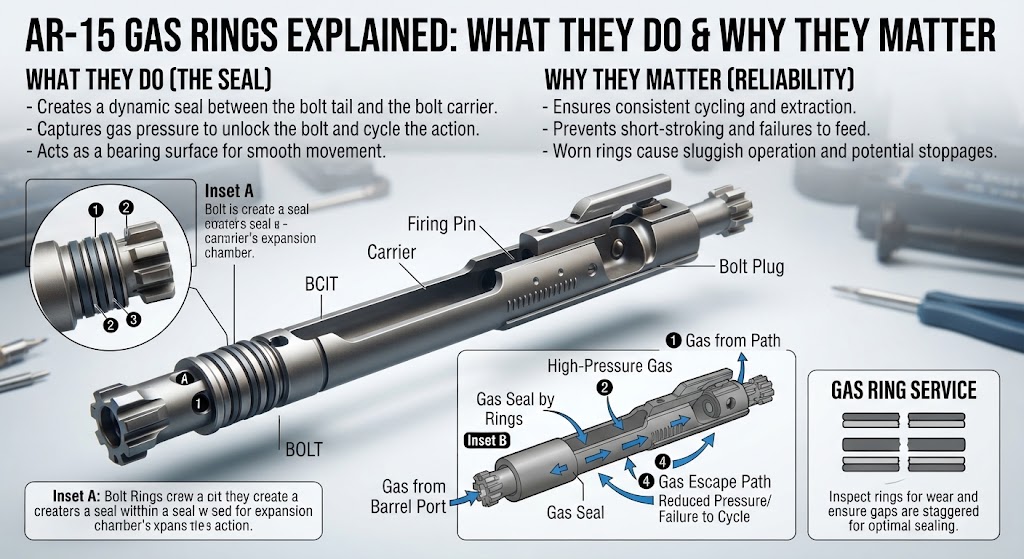
AR-15 Gas Rings Explained: What They Do & Why They Matter
Posted by Gorilla Machining on 9/30/2026 to
Tactical Tips
Why Do AR-15 Bolts Have Gas Rings? Some of the smallest components in an AR-15 perform surprisingly important jobs. A perfect example is the set of gas rings located around the rear portion of the bolt . They're easy to overlook. They're
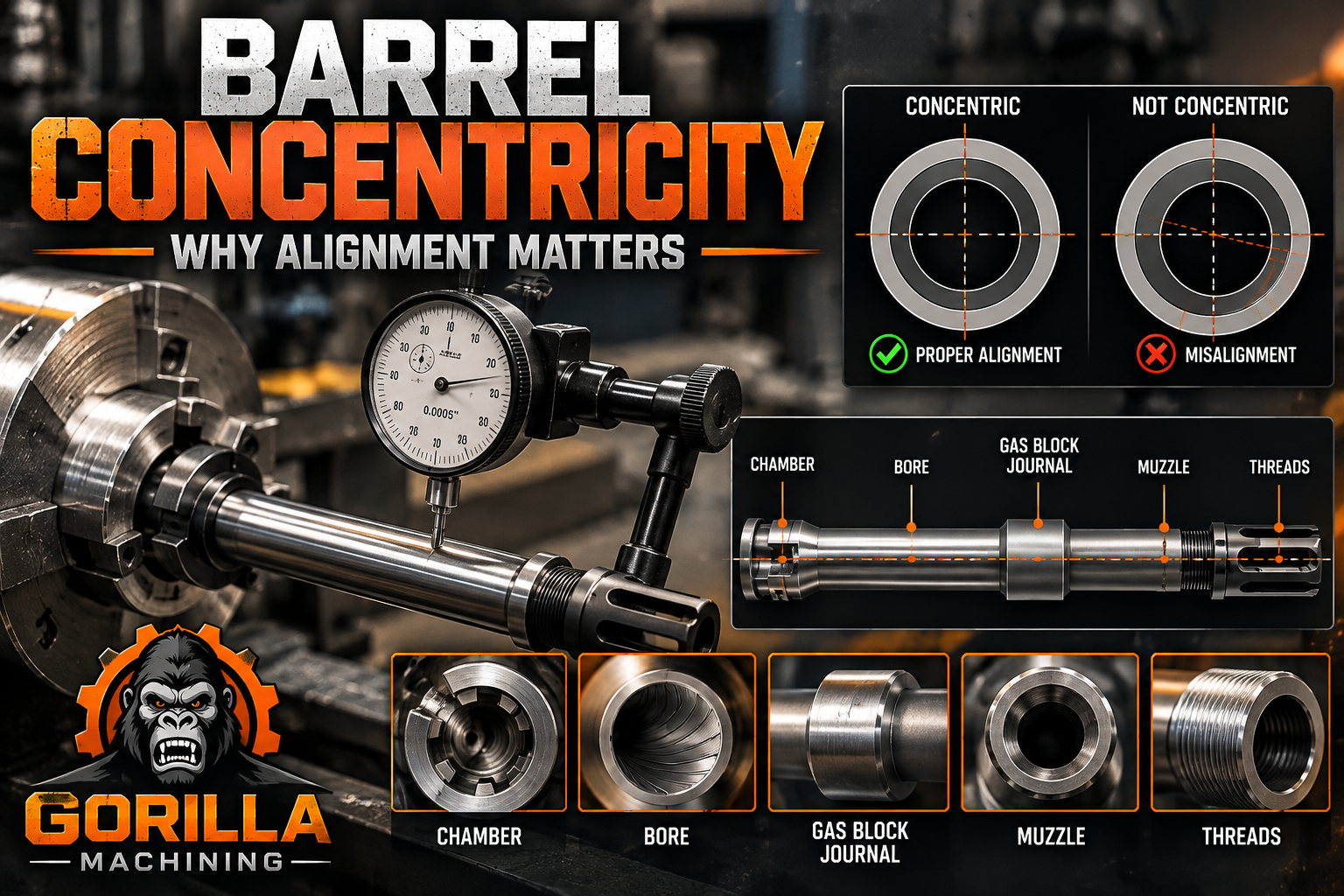
What Is Barrel Concentricity? Why Precision Alignment Matters
Posted by Gorilla Machining on 9/30/2026 to
Tactical Tips
Absolutely. Since we just finished AR-10 vs. LR-308 , let's keep moving into topics we haven't already covered. What Is Barrel Concentricity? Why Alignment Matters in Firearm Manufacturing Search Intent People searching for barrel
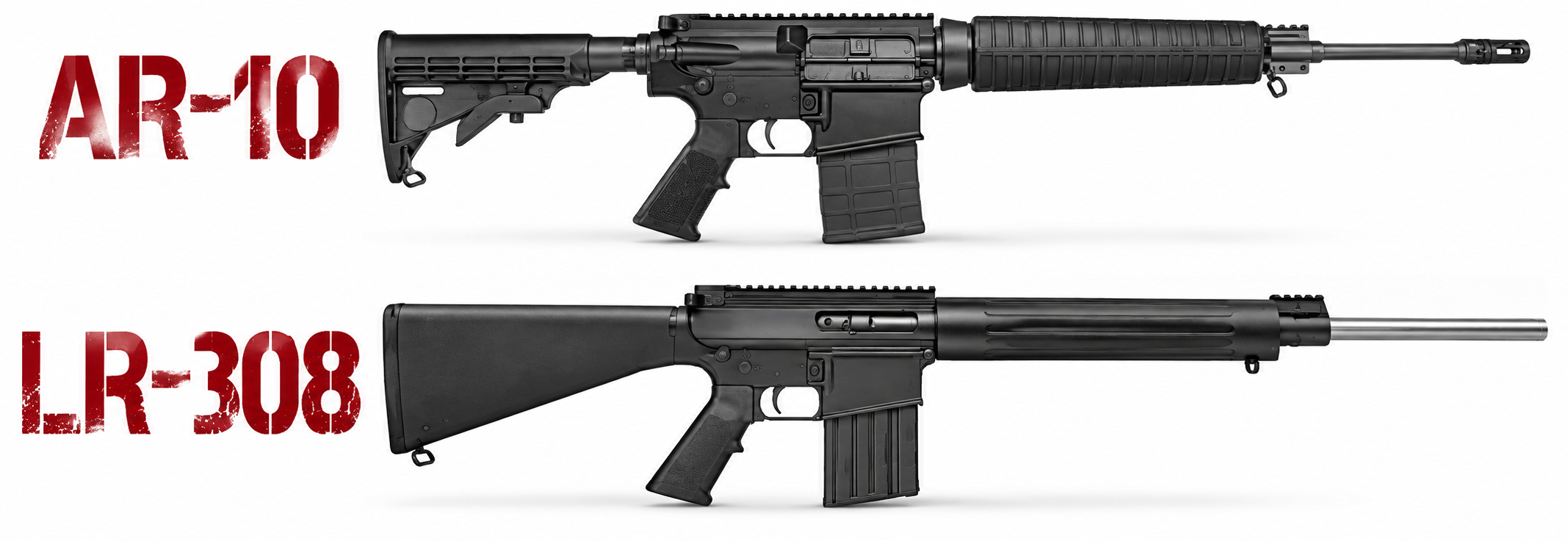
AR-10 vs. LR-308: What's the Difference?
Posted by Gorilla Machining on 9/30/2026 to
Tactical Tips
AR-10 vs. LR-308: Why the Names Cause So Much Confusion If you've ever shopped for parts for a .308 AR-style rifle, you've probably seen several different names: AR-10. LR-308. AR-308. DPMS Pattern. SR-25 Pattern. At first glance, they can
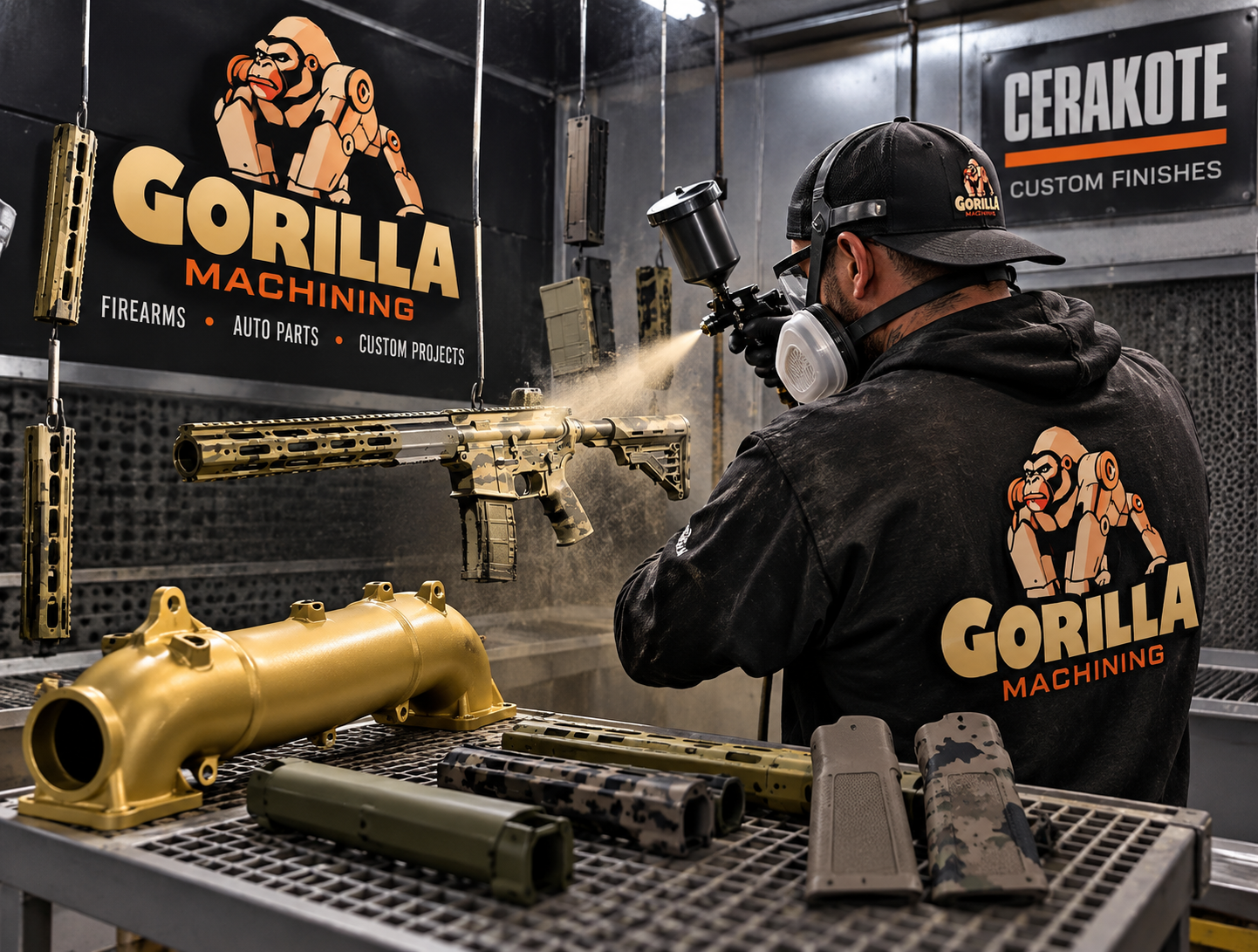
Cerakote Isn't Just for Firearms: Automotive Parts & Custom Projects
Posted by Gorilla Machining on 9/30/2026 to
Tactical Tips
Cerakote Isn’t Just for Firearms When most people hear the word Cerakote , firearms are probably the first thing that comes to mind. Cerakote has become extremely popular for customizing firearm components, with everything from simple
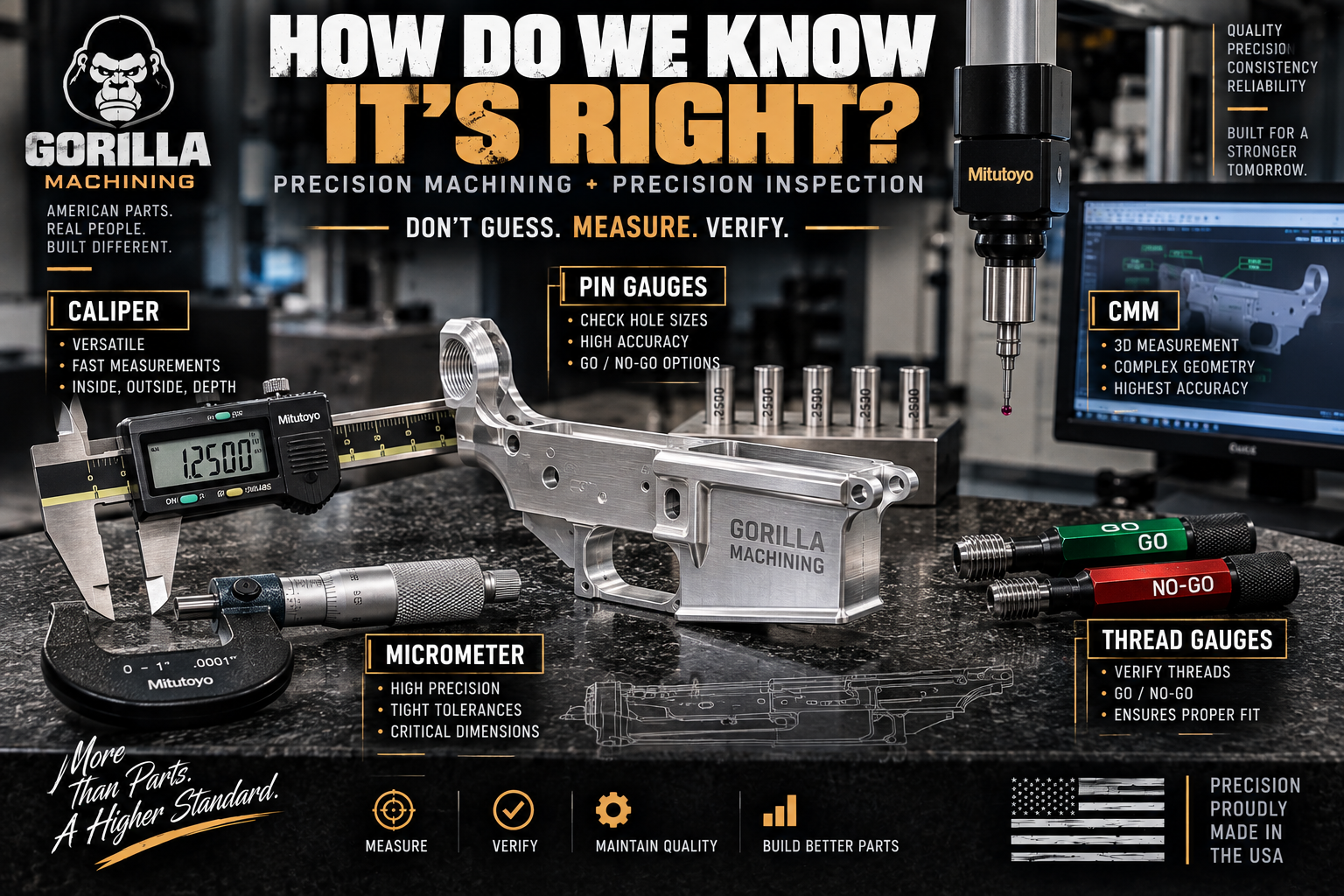
How CNC Parts Are Inspected: Calipers, Micrometers, Gauges & CMMs Explained
Posted by Gorilla Machining on 9/21/2026 to
Tactical Tips
How CNC Parts Are Inspected: Calipers, Micrometers, Gauges & CMMs Explained
A CNC machine can position a cutting tool with incredible precision.
But here's an important manufacturing principle:
Machining a part and proving that the
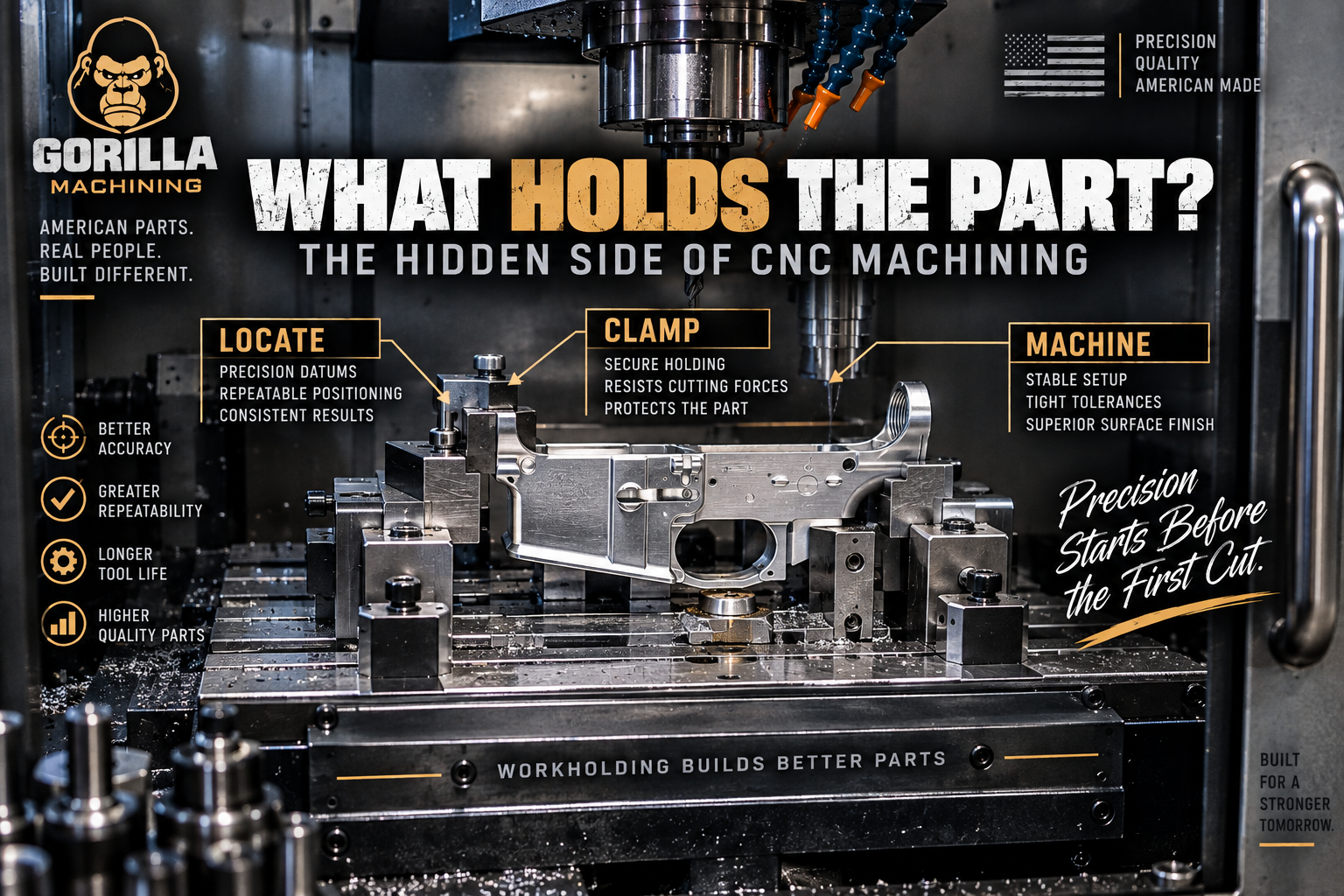
What Is CNC Workholding? How Fixtures Keep AR-15 Parts Precise During Machining
Posted by Gorilla Machining on 9/21/2026 to
Tactical Tips
What Is CNC Workholding? How Fixtures Keep AR-15 Parts Precise During Machining
When people watch a CNC machine cutting aluminum, most of the attention goes to the cutting tool.
The spindle is moving.
Metal chips are flying.
Coolant
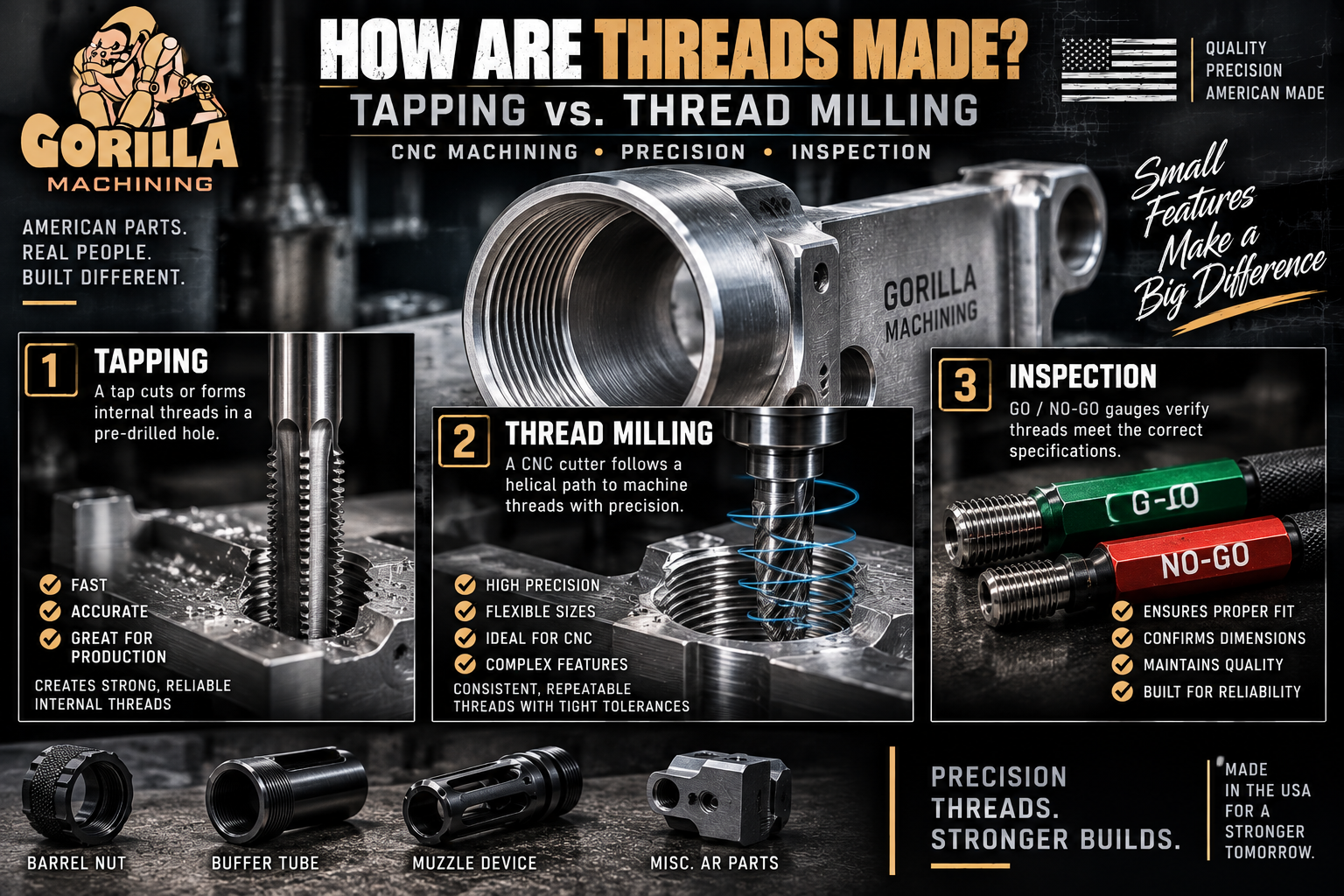
How Threads Are Made on AR-15 Parts: Tapping, Thread Milling & CNC Machining Explained
Posted by Gorilla Machining on 9/21/2026 to
Tactical Tips
How Threads Are Made on AR-15 Parts: Tapping, Thread Milling & CNC Machining Explained
Threads are everywhere in precision manufacturing.
You see them on fasteners, mounts, housings, machinery, automotive components, and countless other
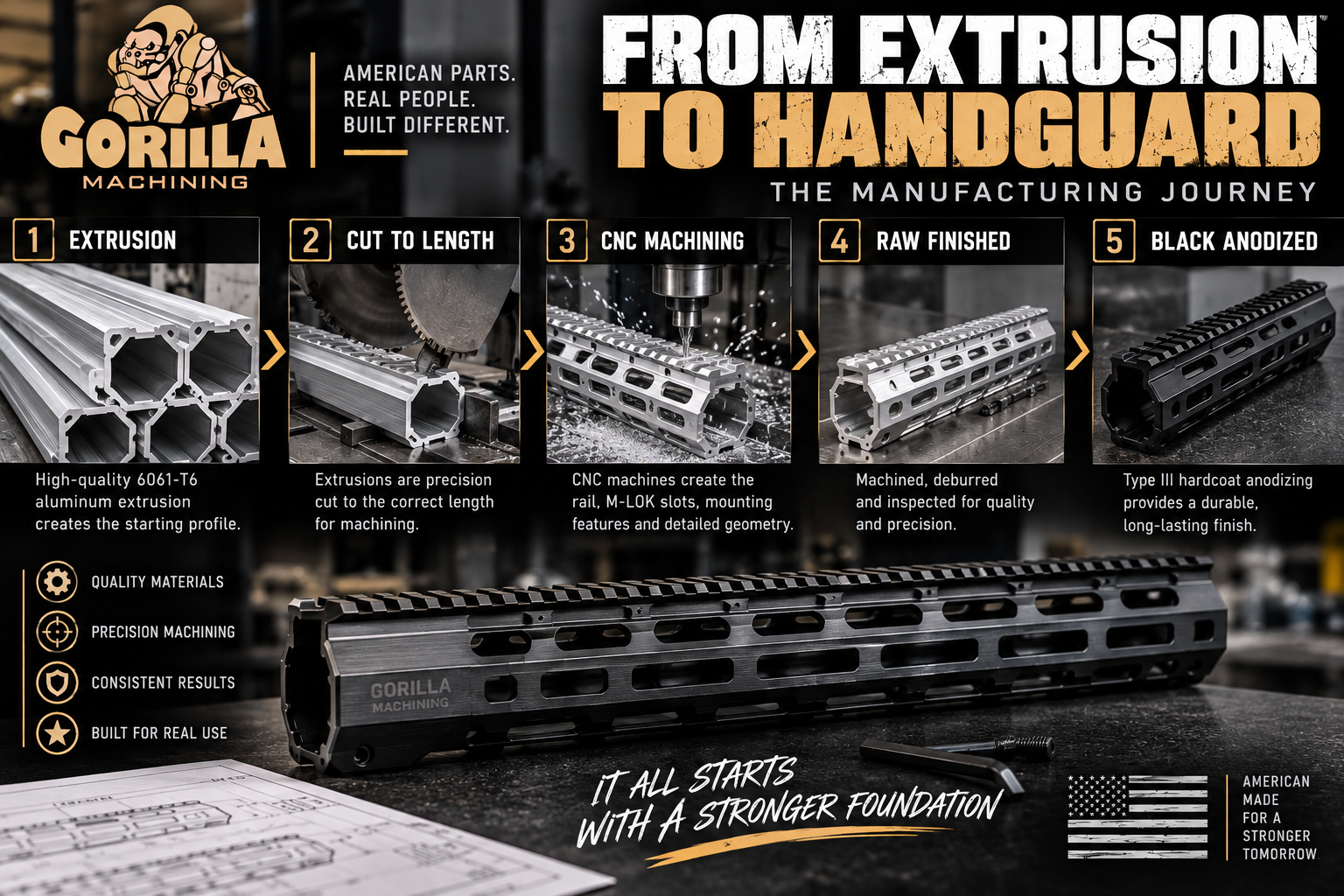
How AR-15 Handguards Are Made: From Aluminum Extrusion to Finished Part
Posted by Gorilla Machining on 9/21/2026 to
Tactical Tips
How AR-15 Handguards Are Made: From Aluminum Extrusion to Finished Part
Pick up a modern aluminum AR-15 handguard and it may look like one complicated piece of metal.
There are ventilation openings, accessory slots, a Picatinny top rail,
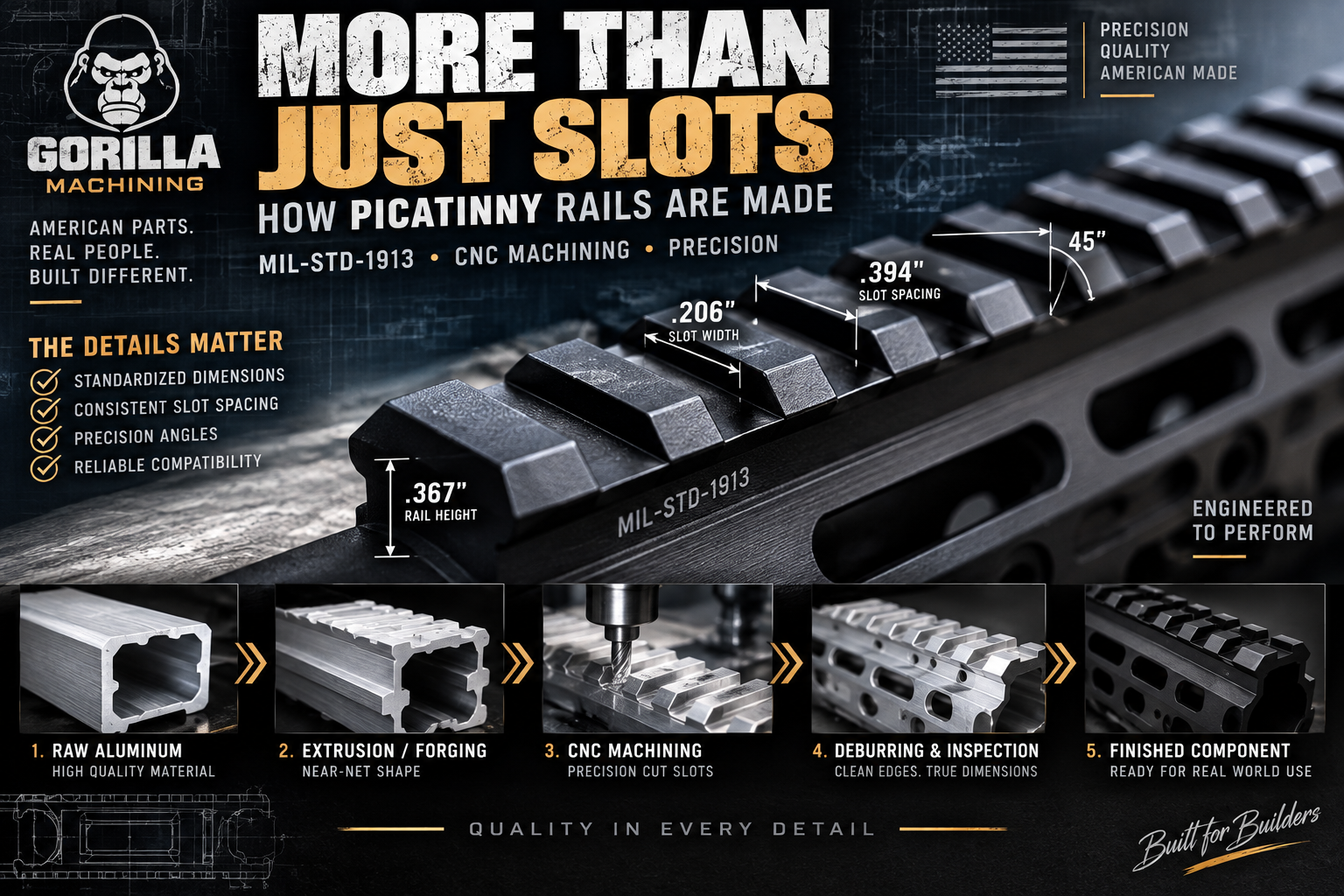
How Picatinny Rails Are Made: Understanding MIL-STD-1913 & Precision Machining
Posted by Gorilla Machining on 9/21/2026 to
Tactical Tips
How Picatinny Rails Are Made: Understanding MIL-STD-1913 & Precision Machining
The Picatinny rail is one of the most recognizable features found on modern firearm components.
You'll see it on:
Upper receivers
Handguards
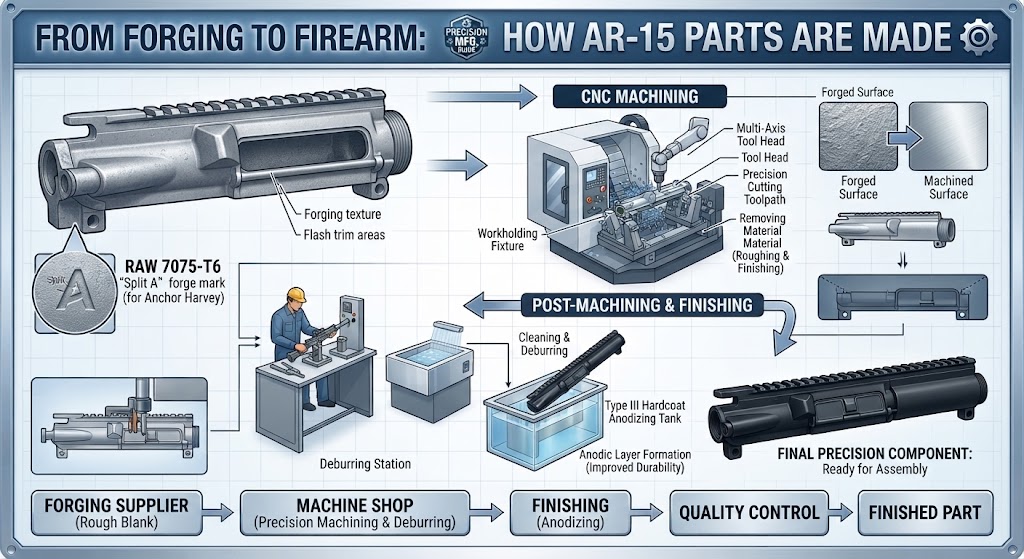
How AR-15 Parts Are Made From Forgings: From Raw Forging to Finished CNC Component
Posted by Gorilla Machining on 9/21/2026 to
Tactical Tips
How AR-15 Parts Are Made From Forgings
When you look at a finished AR-15 upper receiver, it's easy to assume it started as a solid piece of aluminum that was simply placed into a CNC machine.
Many receivers don't begin that way.
They
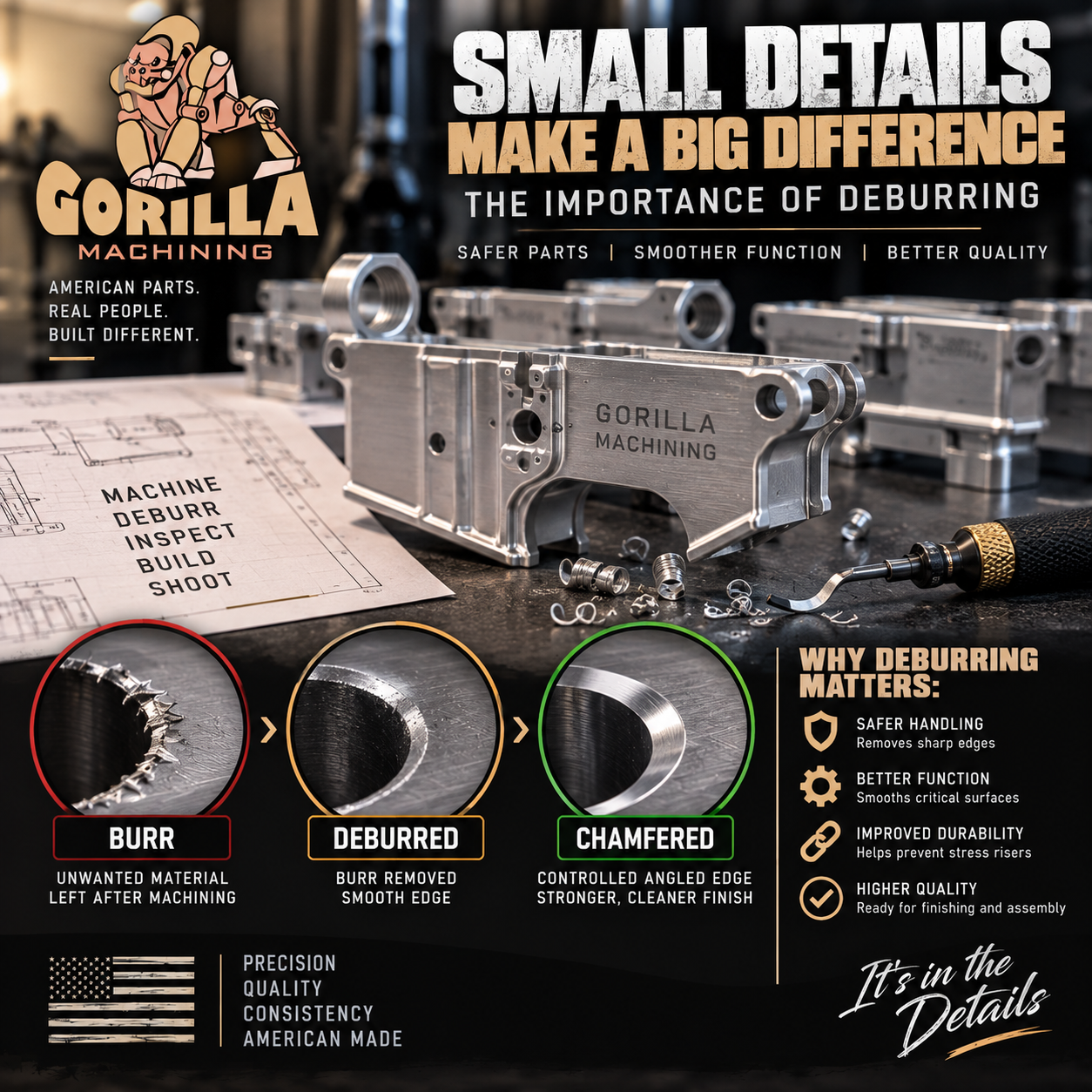
What Is CNC Deburring? Why It Matters on AR-15 Parts
Posted by Gorilla Machining on 9/21/2026 to
Tactical Tips
What Is CNC Deburring? Why It Matters on AR-15 Parts
When people think about CNC machining, they usually picture a cutting tool carving a finished component from aluminum or steel.
But when the CNC machine stops, the manufacturing process
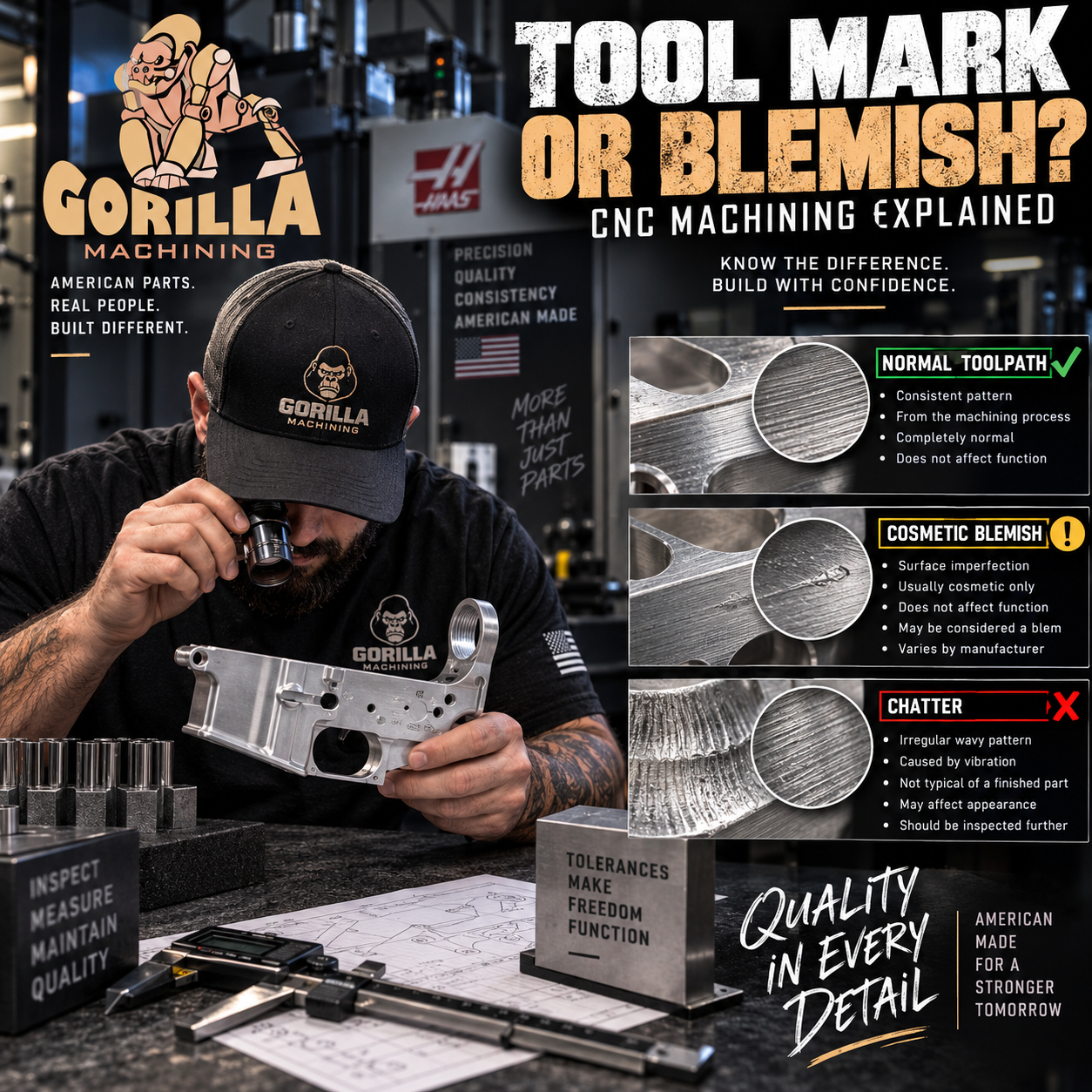
CNC Tool Marks on AR-15 Parts: What's Normal vs. a Blemish?
Posted by Gorilla Machining on 9/21/2026 to
Tactical Tips
CNC Tool Marks on AR-15 Parts: What’s Normal vs. a Blemish?
You open the package containing a new AR-15 component, hold it under the light, and notice something.
There are tiny lines across the aluminum.
Maybe there's a circular pattern
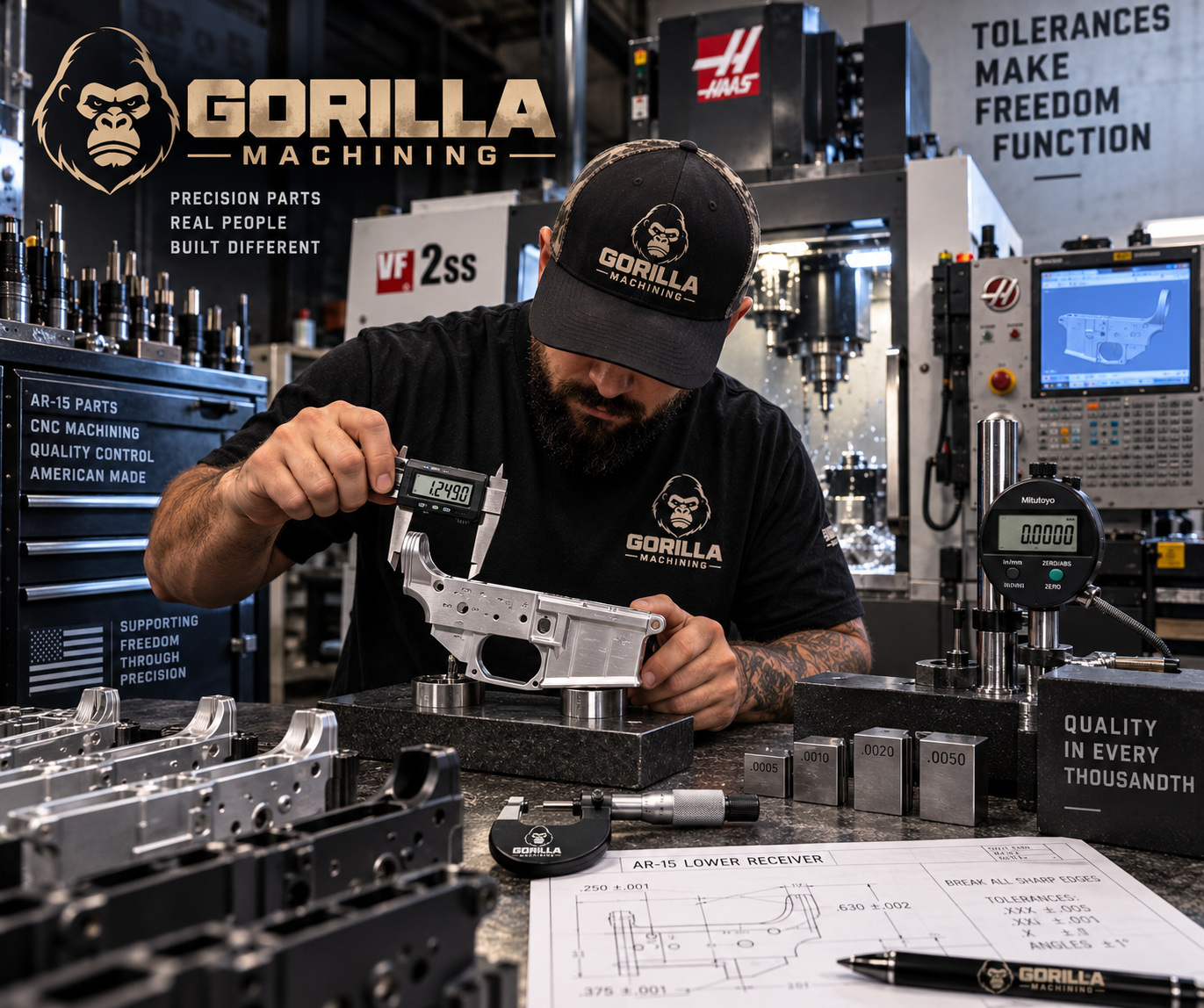
AR-15 Tolerances Explained: Why Thousandths of an Inch Matter
Posted by Gorilla machining on 9/15/2026 to
Tactical Tips
AR-15 Tolerances Explained: Why Thousandths of an Inch Matter
An AR-15 may look like a collection of relatively simple metal components.
But behind those components are engineering drawings filled with dimensions measured to thousandths of
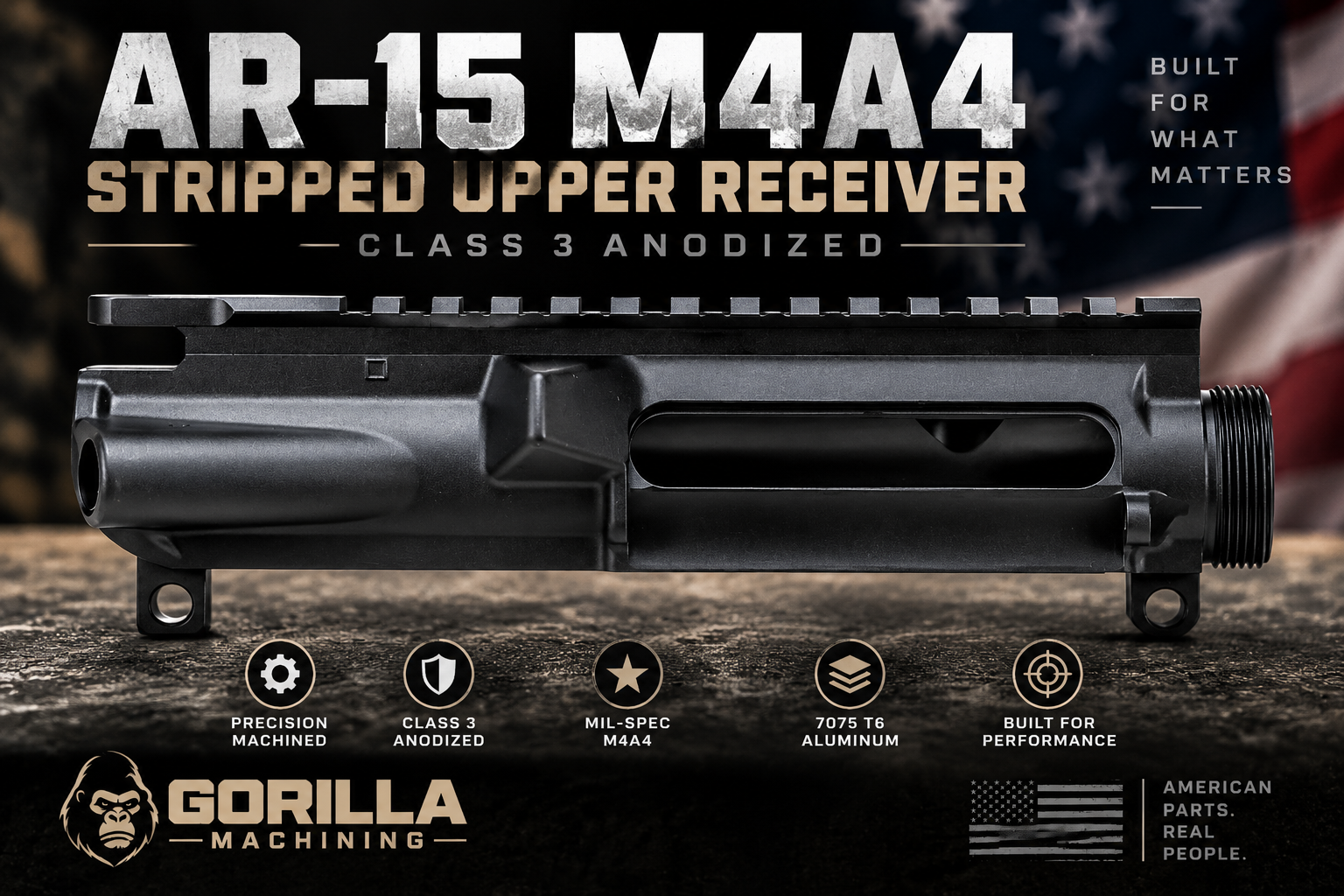
How AR-15 Parts Are Anodized: Type III Hardcoat Anodizing Explained
Posted by Gorilla Machining on 9/15/2026 to
Tactical Tips
How AR-15 Parts Are Anodized: Type III Hardcoat Anodizing Explained
If you've shopped for an AR-15 upper receiver, lower receiver, handguard, charging handle, or other aluminum component, you've probably encountered a specification such as:
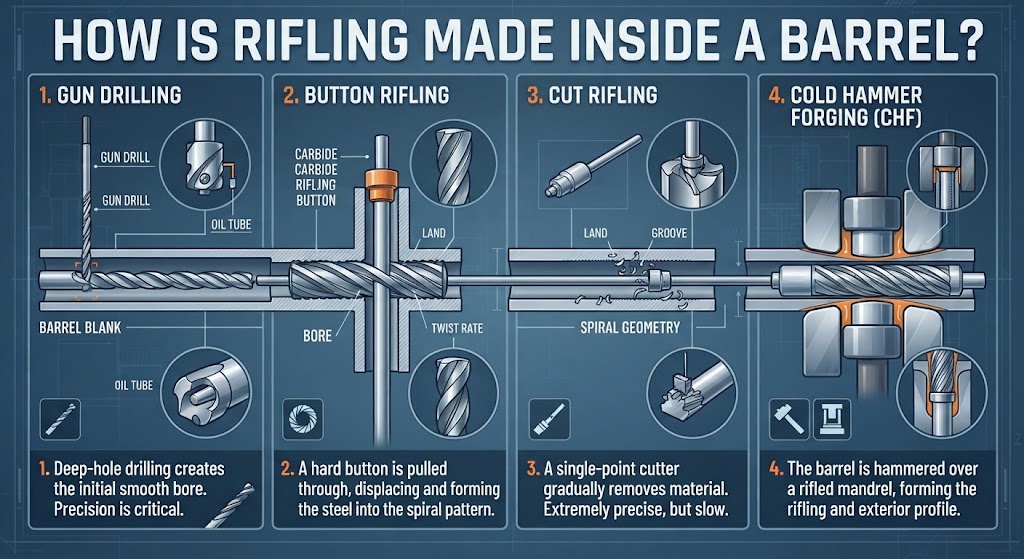
How Is Rifling Made Inside a Barrel? Button Rifling, Cut Rifling & CHF Explained
Posted by Gorilla Machining on 9/15/2026 to
Tactical Tips
How Is Rifling Made Inside a Barrel?
Look through the bore of a firearm barrel and you'll notice spiral-shaped lands and grooves running through it.
Those spirals are called rifling .
Rifling causes a projectile to rotate as it travels
AR-15 Barrel Markings Explained: How to Read What’s Stamped on Your Barre
Posted by Gorilla Machining on 9/15/2026 to
Tactical Tips
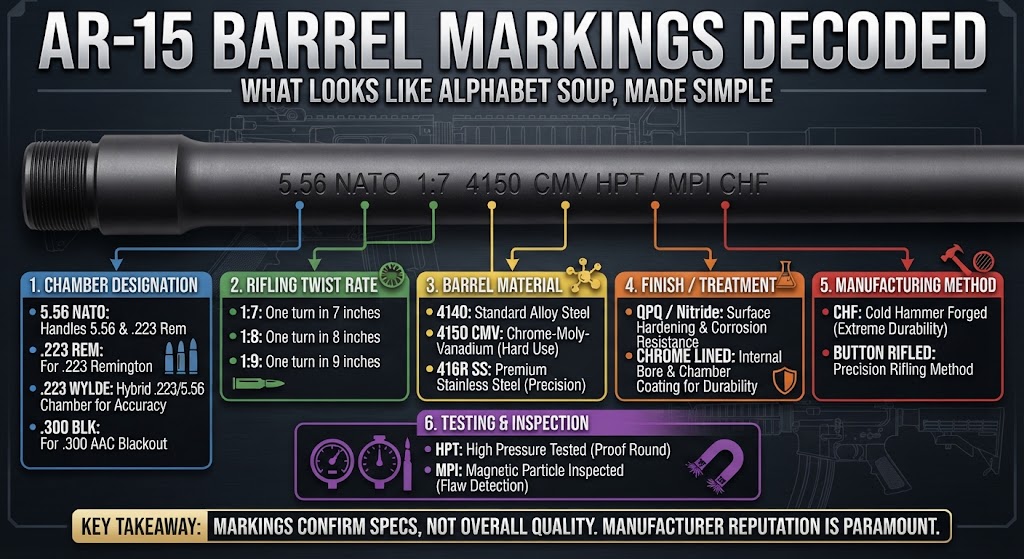
AR-15 Barrel Markings Explained
Take a close look at an AR-15 barrel and you may find a short string of letters and numbers that looks something like:
5.56 NATO 1:7 4150 CMV
or:
.223 WYLDE 1:8 SS
Other barrels might include
AR-15 Parts Wear Guide: What Wears Out First & What’s Normal?
Posted by Gorilla Machining on 9/15/2026 to
Tactical Tips
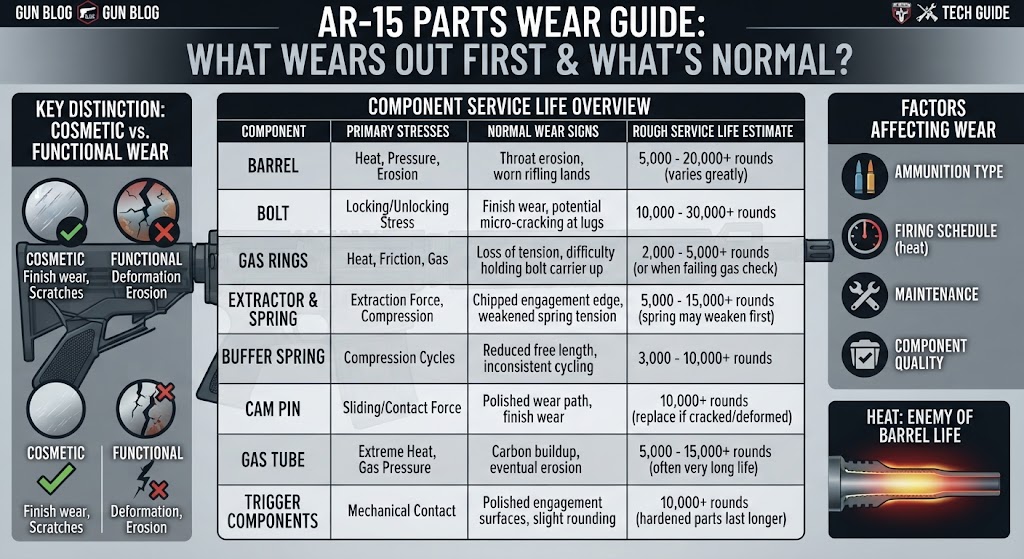
AR-15 Parts Wear Guide: What Wears Out First & What’s Normal?
AR-15 components don't last forever.
Every time a firearm is used, components are exposed to some combination of heat, friction, impact, pressure and repeated mechanical
AR-15 Feed Ramps Explained: M4 vs. Rifle Feed Ramps & Why They Matter
Posted by Gorilla Machining on 9/15/2026 to
Tactical Tips
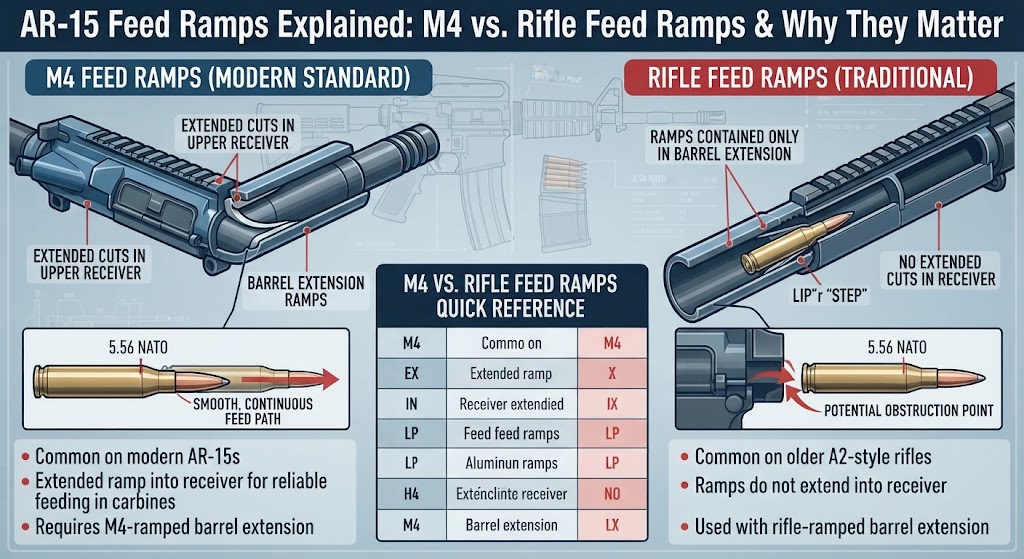
AR-15 Feed Ramps Explained: M4 vs. Rifle Feed Ramps
When shopping for an AR-15 upper receiver or barrel, you've probably encountered this specification:
M4 Feed Ramps
It's frequently listed alongside specifications such as 7075-T6
Polymer AR-15 Uppers & Lowers: How Many Rounds Before They Crack?
Posted by Gorilla Machining on 9/15/2026 to
Tactical Tips
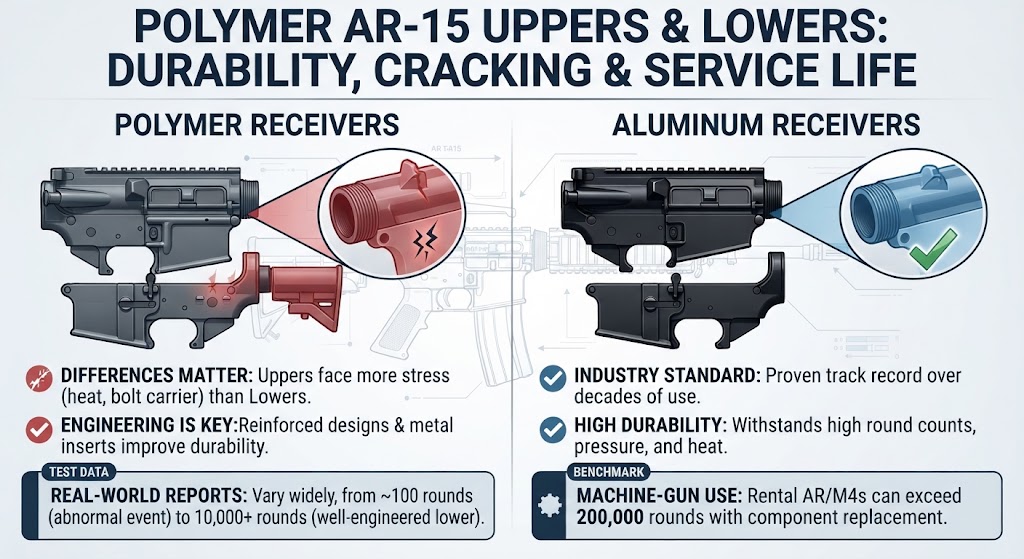
Polymer AR-15 Uppers & Lowers: How Durable Are They?
Polymer has become an established firearm material.
Modern handguns demonstrate that a properly engineered polymer component can withstand years of use. But seeing polymer successfully

